
Engineering a microfluidic diagnostic platform for ultra‑rapid pathogen detection
Engineering a microfluidic diagnostic platform for ultra‑rapid pathogen detection
Intensive design and development support for an Oxford-based infectious-disease diagnostics spin-out

Creating a premium shredder range with a rotating bin to increase capacity and disrupt the category.

engineering innovation for haircare products and accessories
engineering innovation for haircare products and accessories
Supporting fast-moving development of a multi-accessory hair styling system.

light therapy and discrete cooling in beauty tech innovation
light therapy and discrete cooling in beauty tech innovation
Supporting LED and cooling performance through optical testing and ergonomic prototyping.

Creating a distinct mobile case range for a global product launch
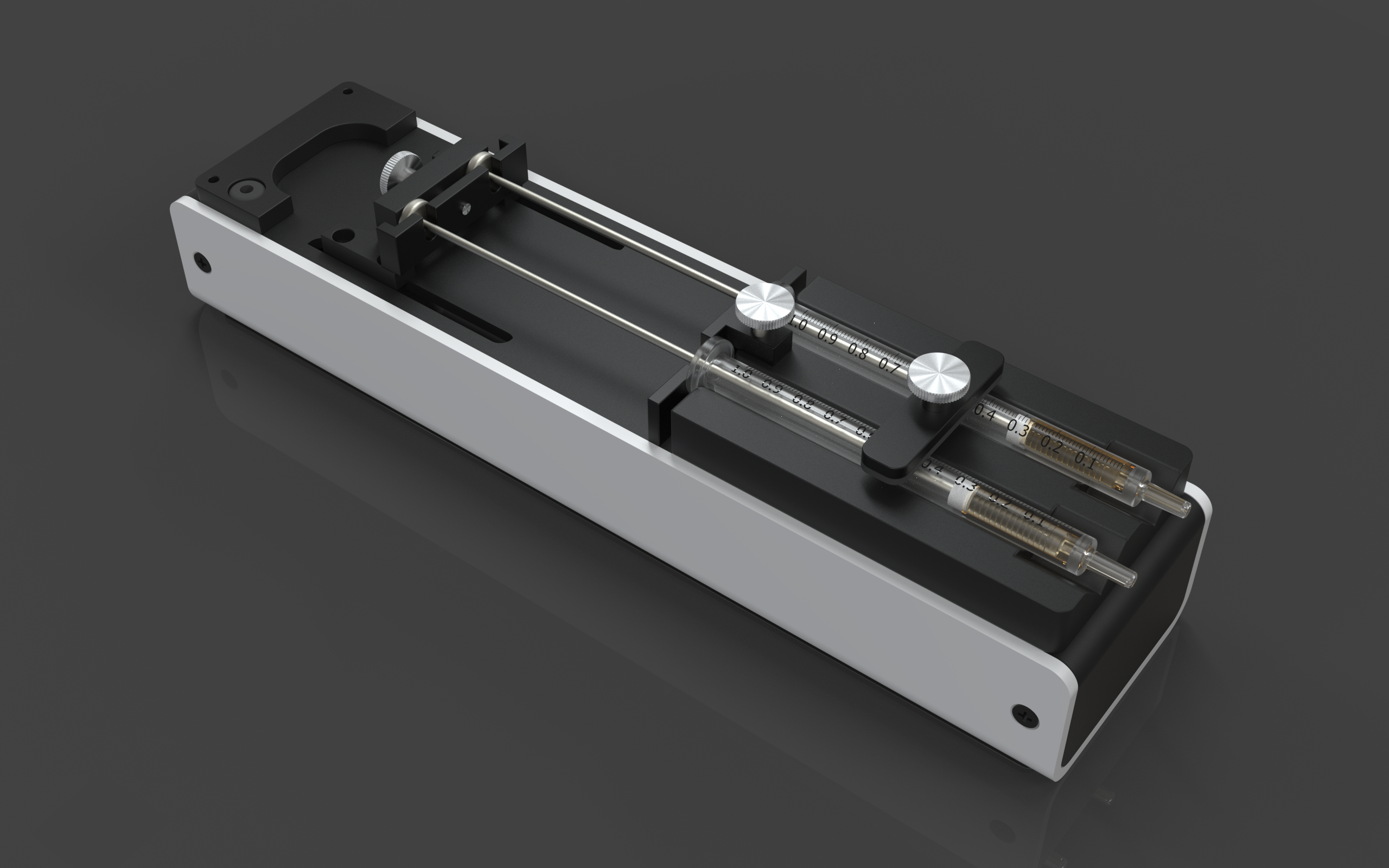
Maintaining accuracy alongside cost reduction
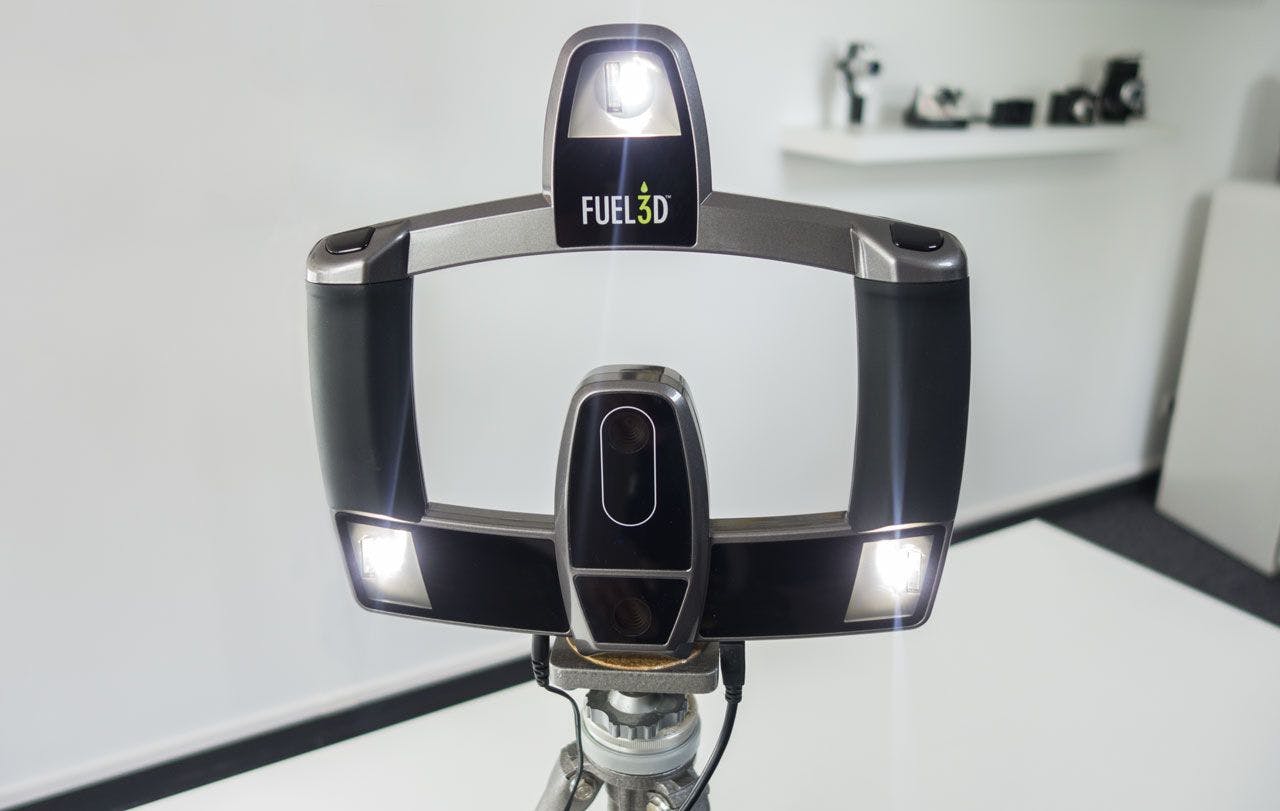
Capturing high resolution, accurate, colour 3D models of objects in seconds

Using Insights and Strategy to expand product categories for new market demands

Aesthetics, comfort and global appeal.

Transforming NavLive’s cutting-edge technology into ergonomic, high-performance scanners through innovative prototyping methods

Designing the next generation of people-screening systems
Designing the next generation of people-screening systems
Incorporating brand-new corporate identity, improved thermal stability, enhanced ergonomics, and optimised manufacturability.

Restoring mobility in people with Parkinson's

A new era in radio chromatography
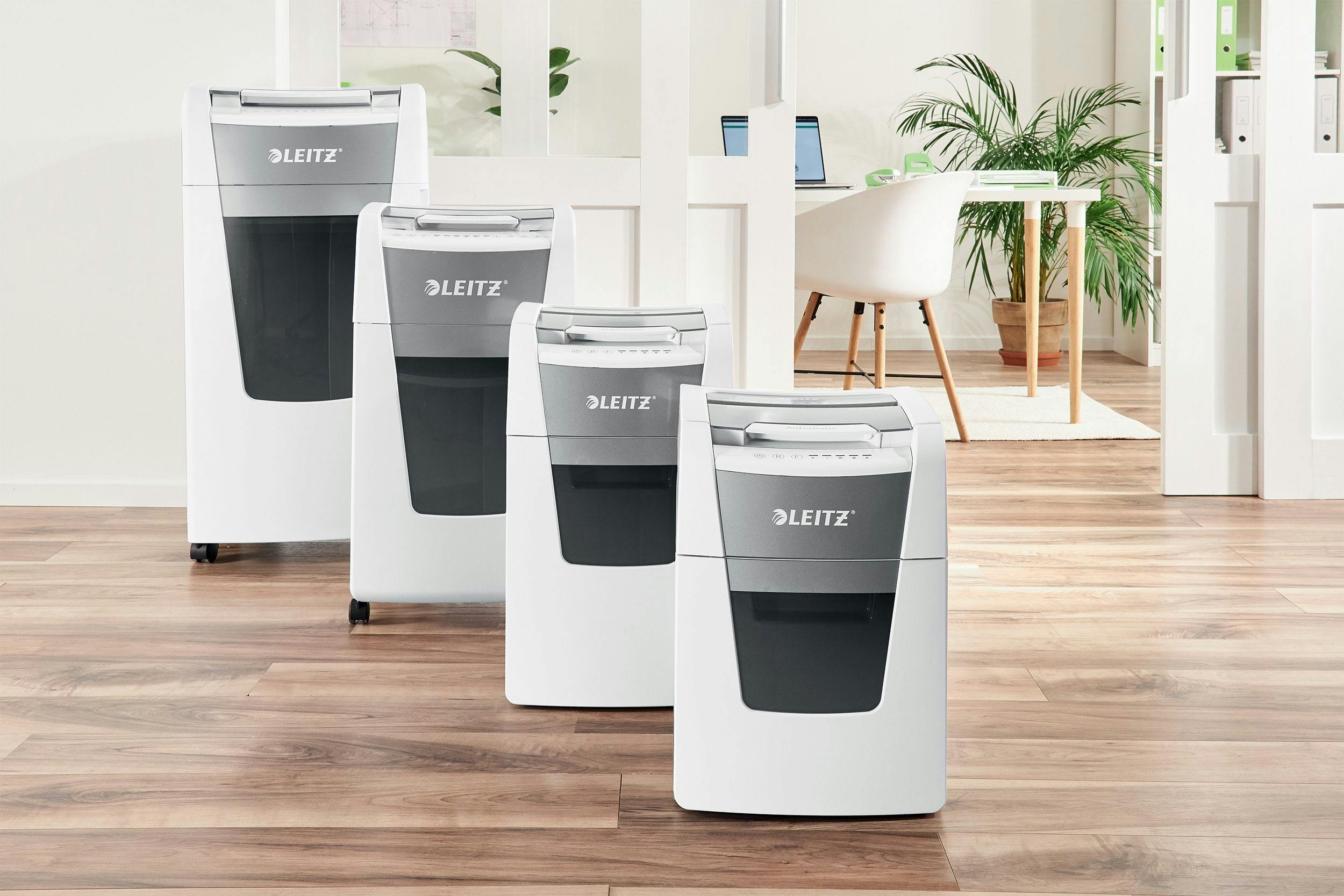
From 0-16% market share in 10 months
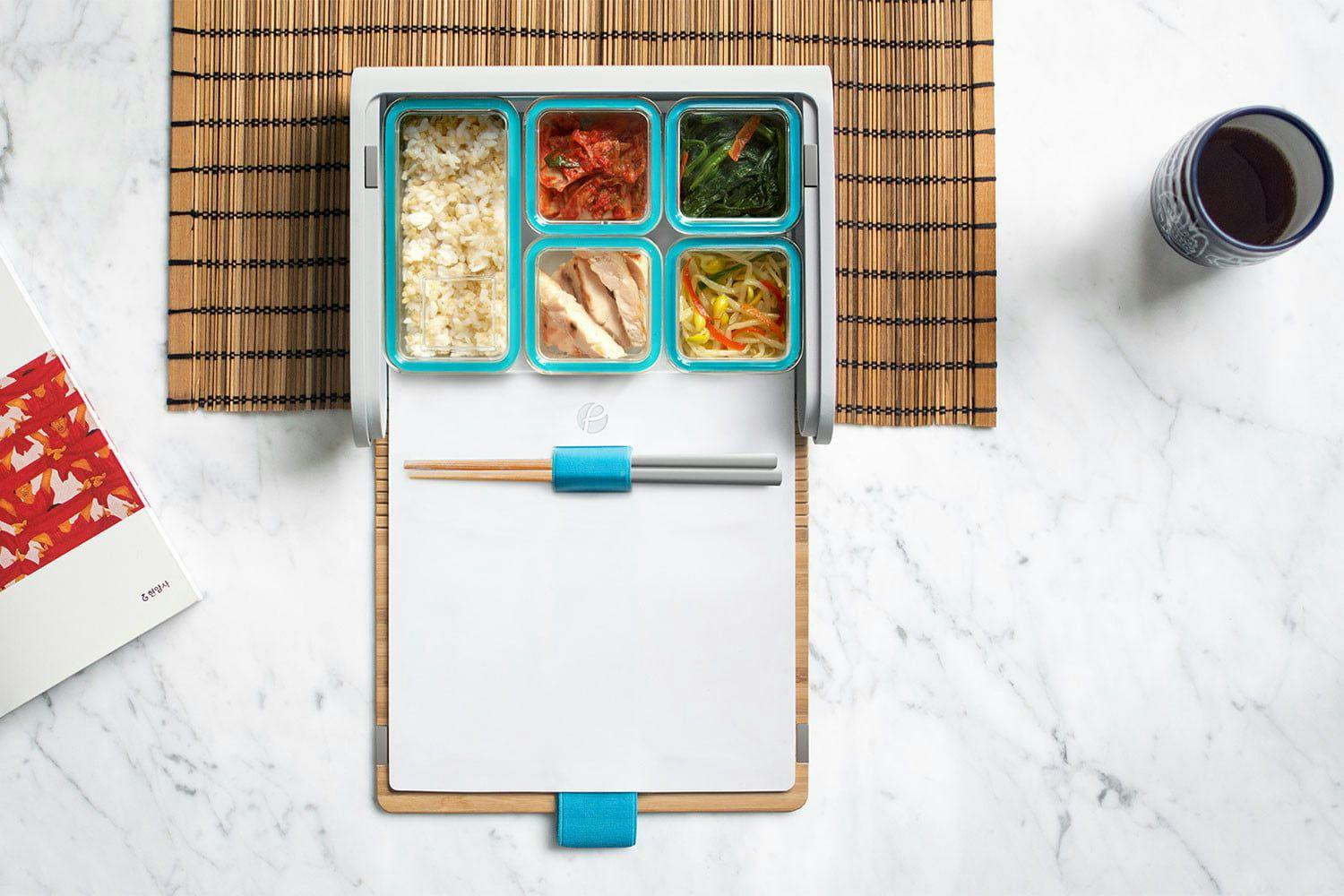
Reimagining packed lunches
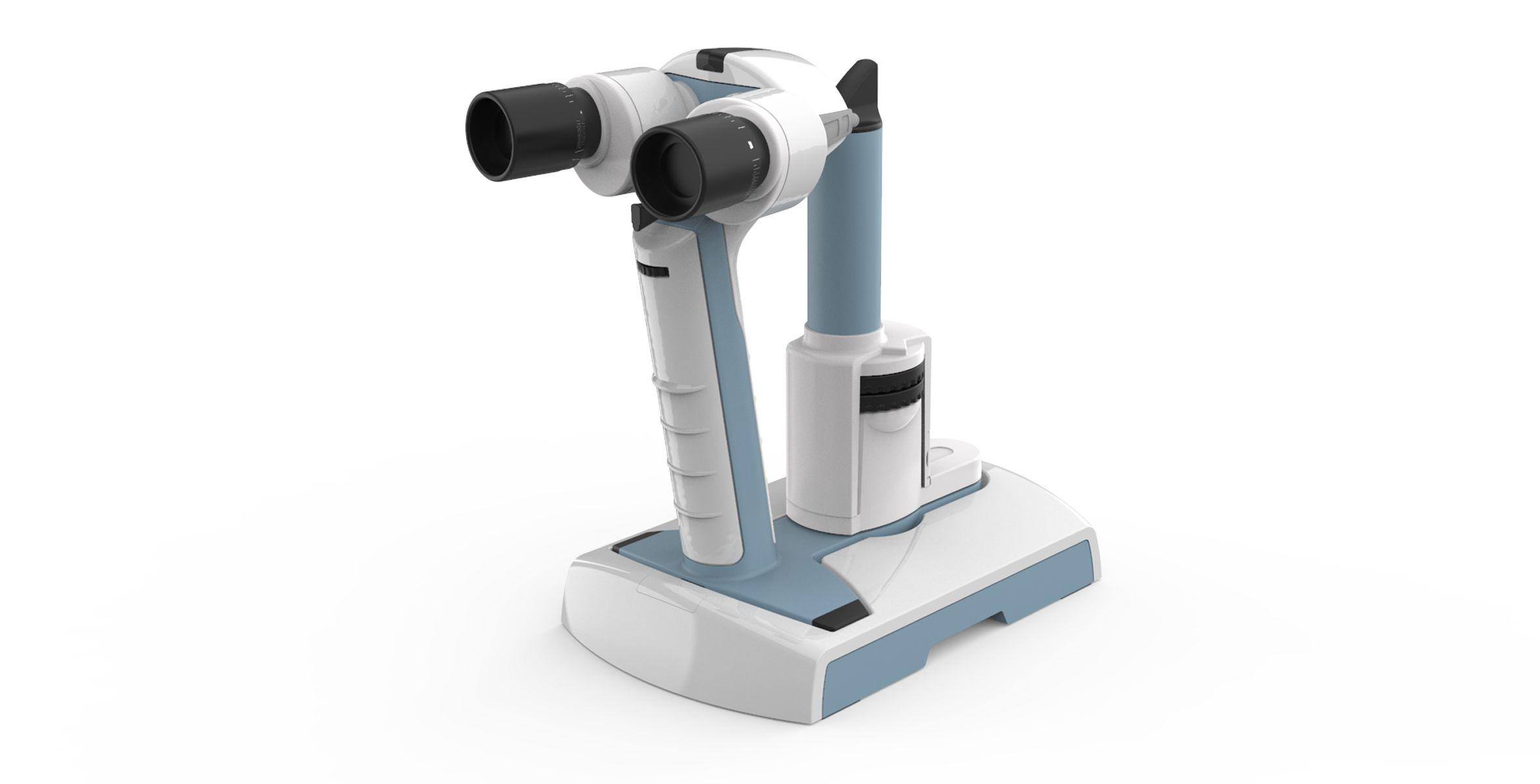
Illuminating a detailed view of the human eye
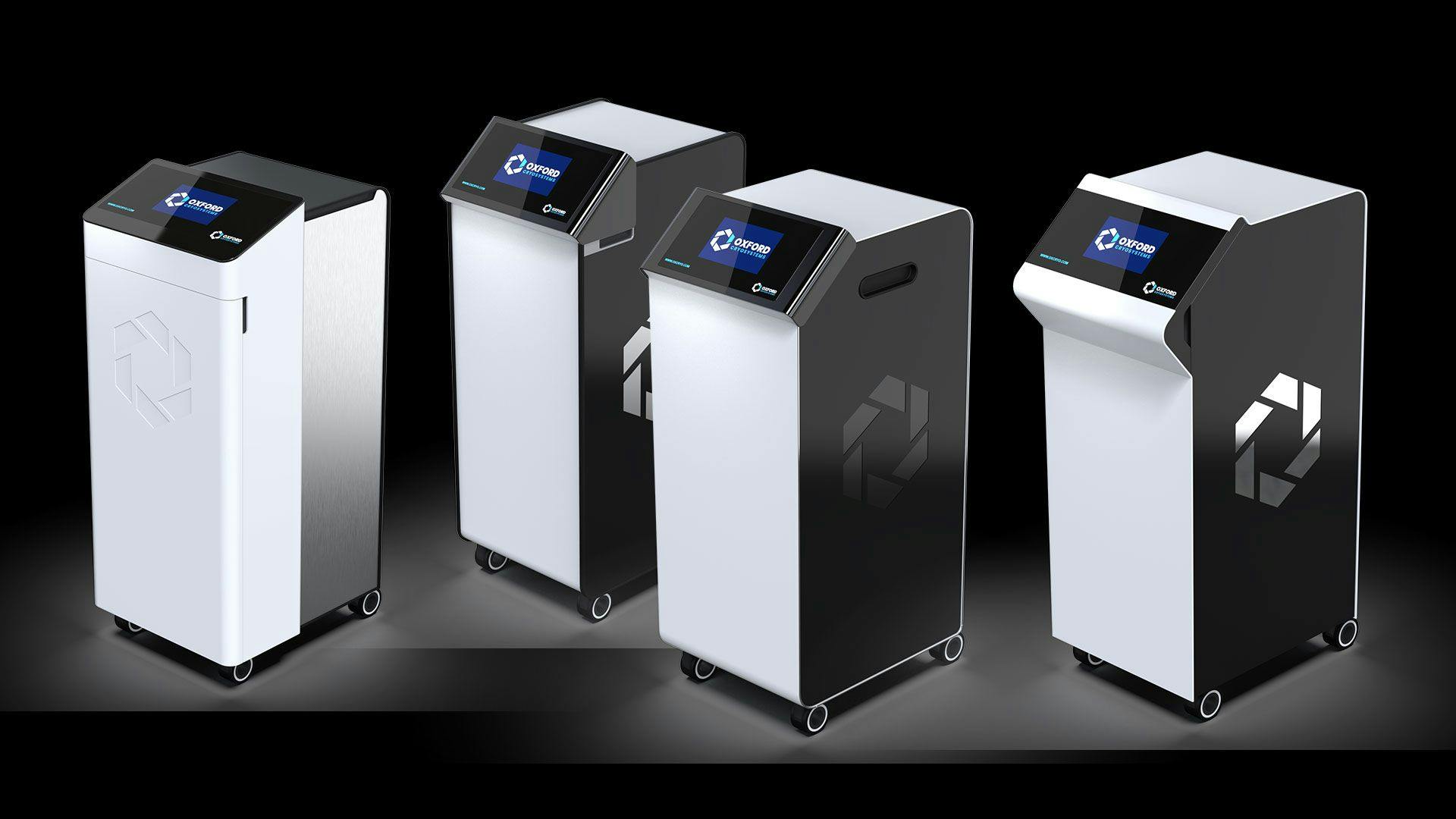
Stable and effective cryogenic cooling

Clean aesthetics and mechanical simplicity
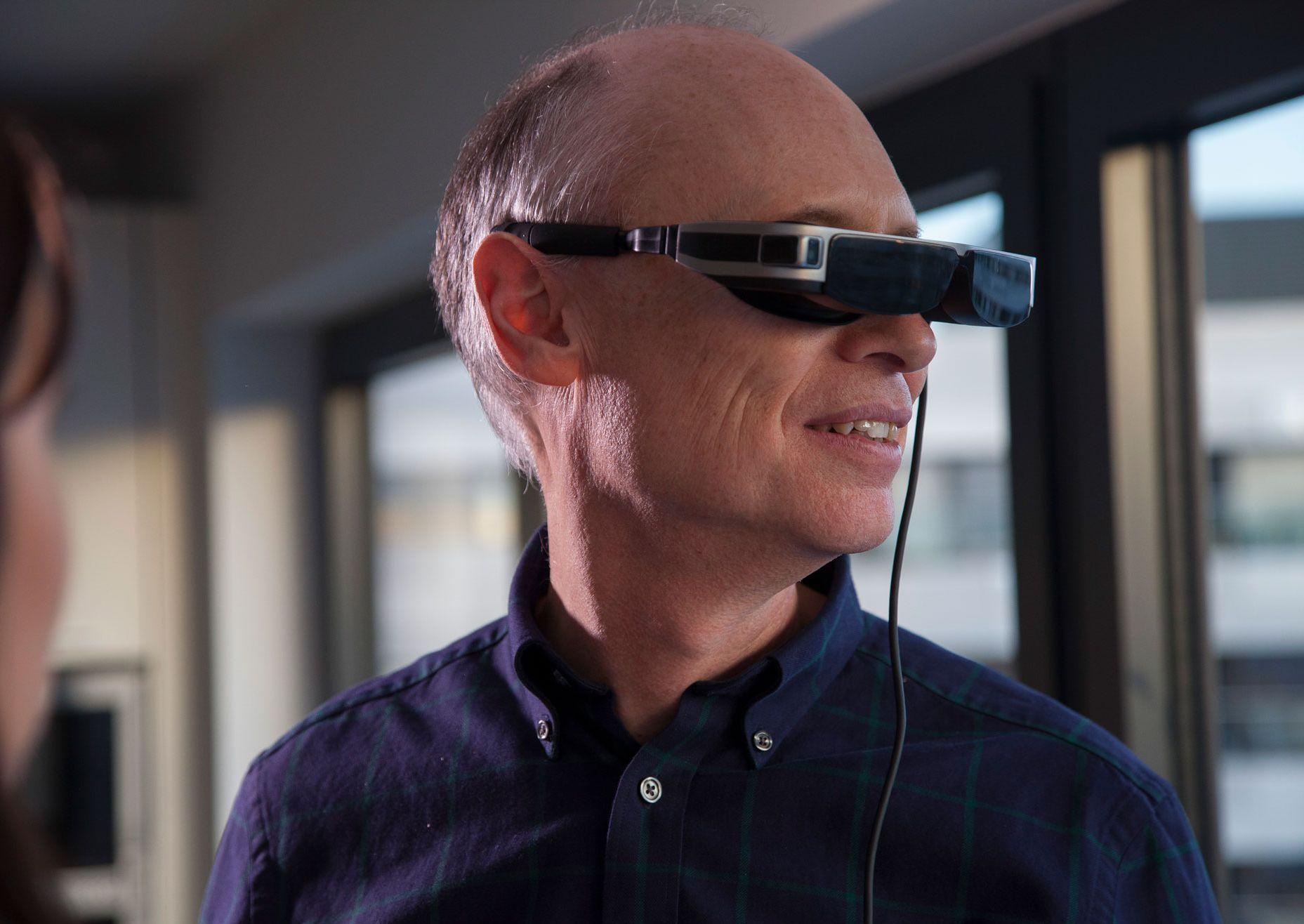
Smart glasses that help people to manage impaired vision and enhance remaining sight
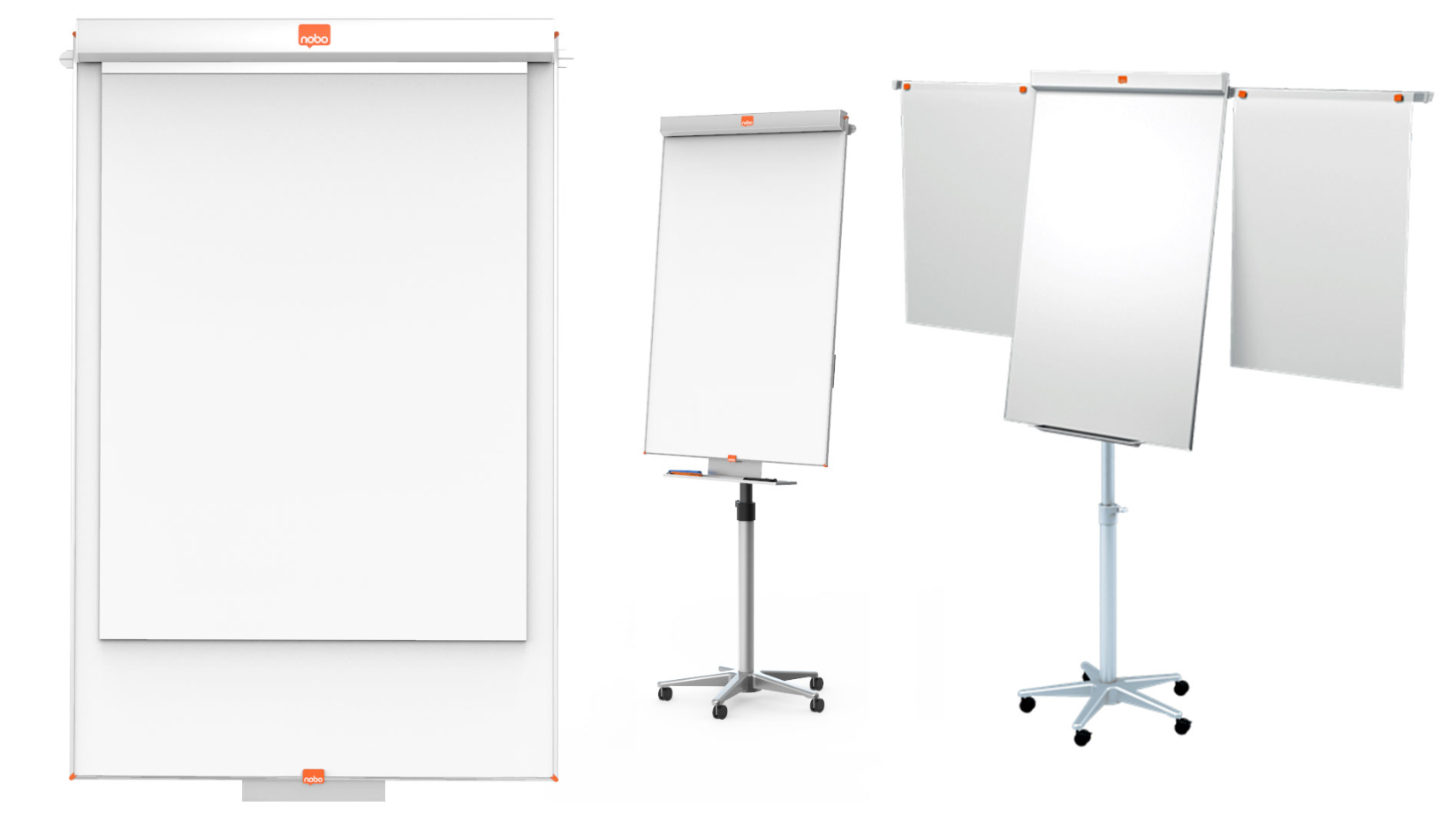
Reimagining whiteboards and mobile easels in the office vis-com sector
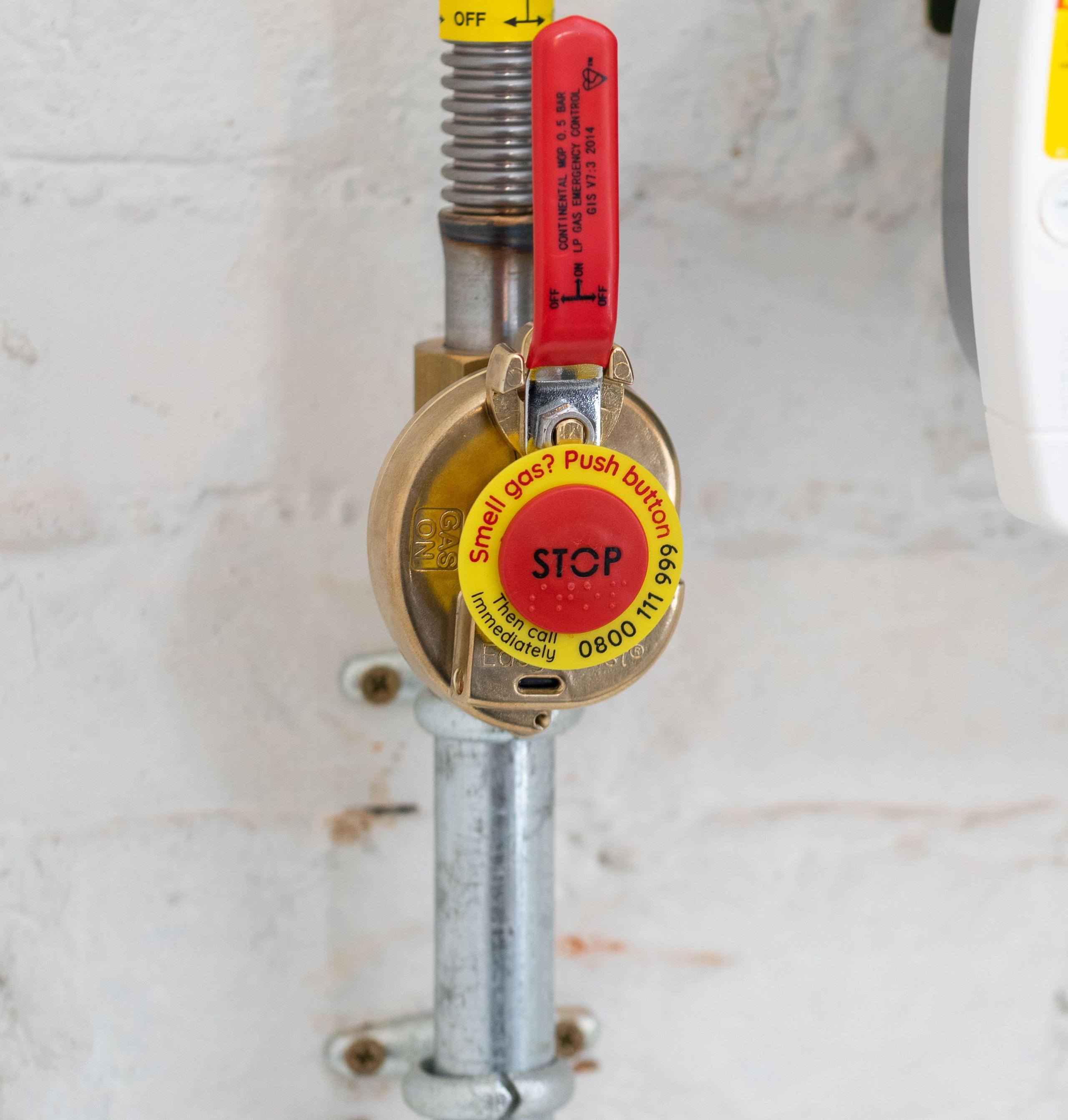
Turning off the gas supply at the touch of a button
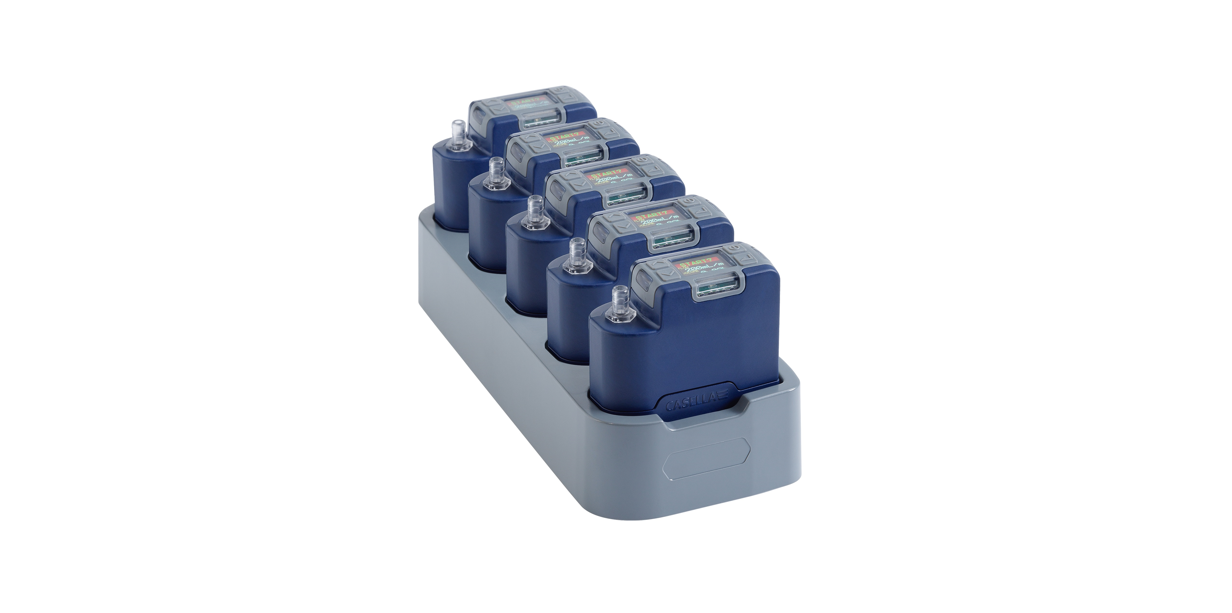
Creating safer workspaces through air quality monitoring
Turning a dial to switch between near and far field focus
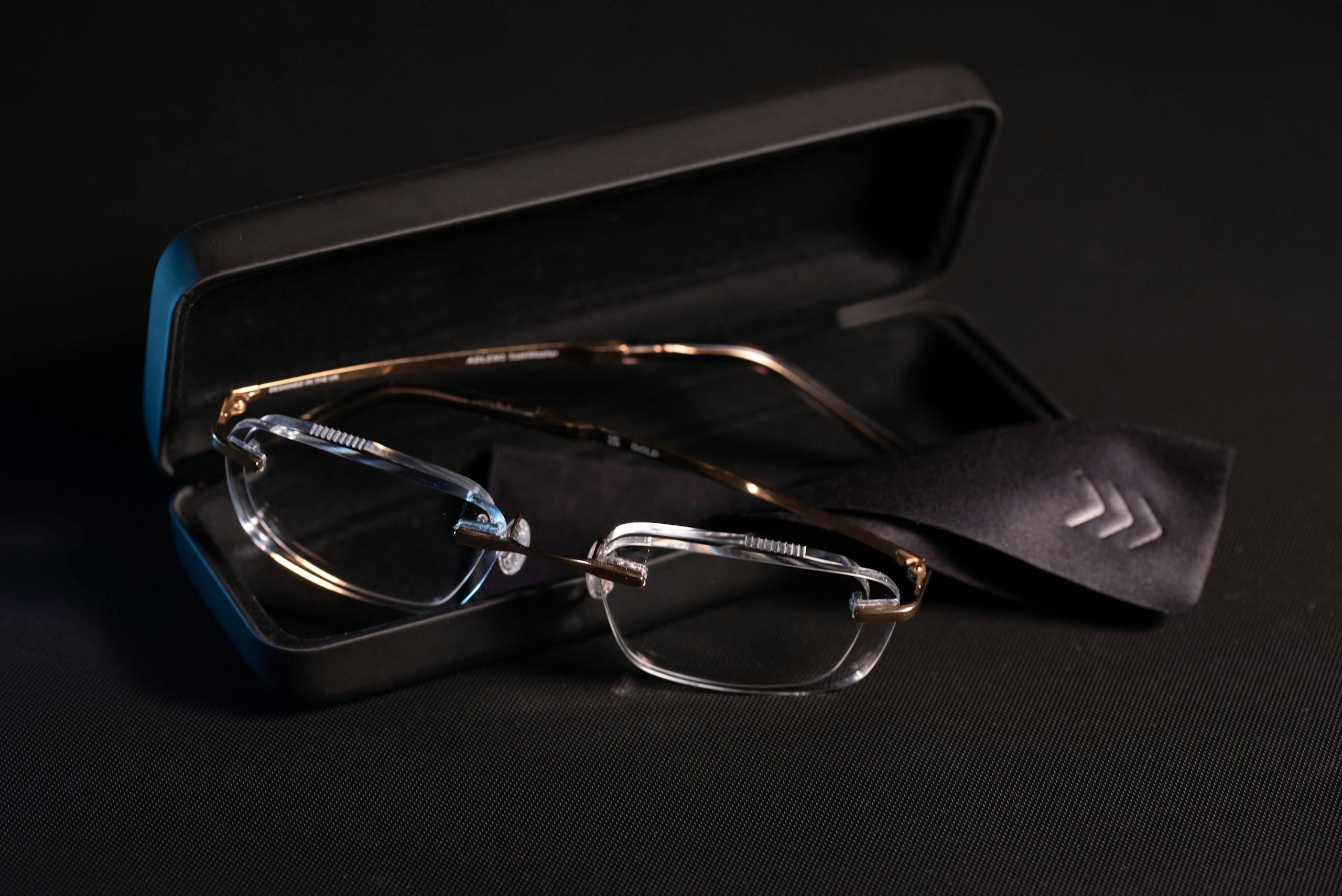
Changing the face of prescription eyewear
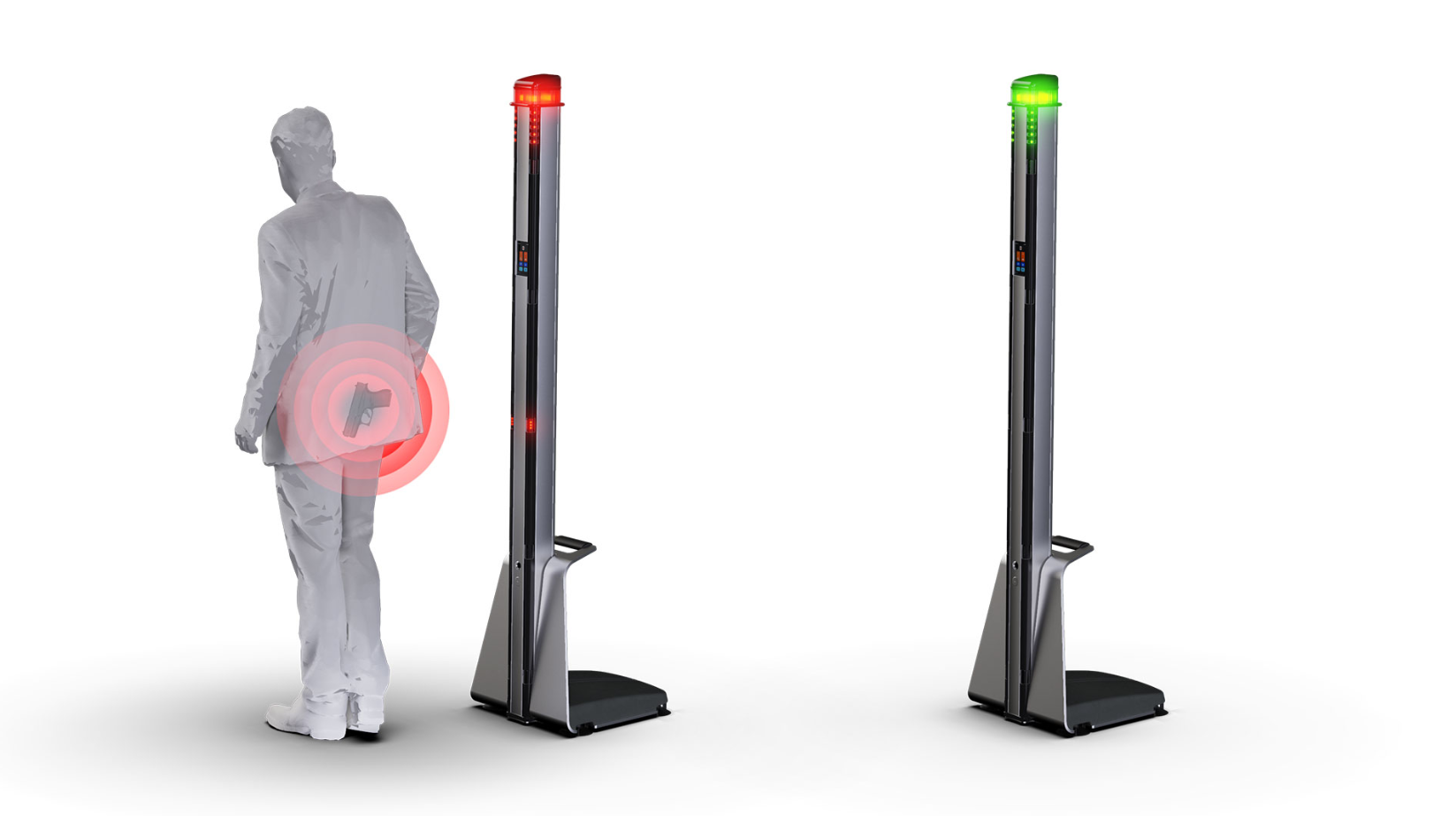
Revolutionising portable screening for concealed objects
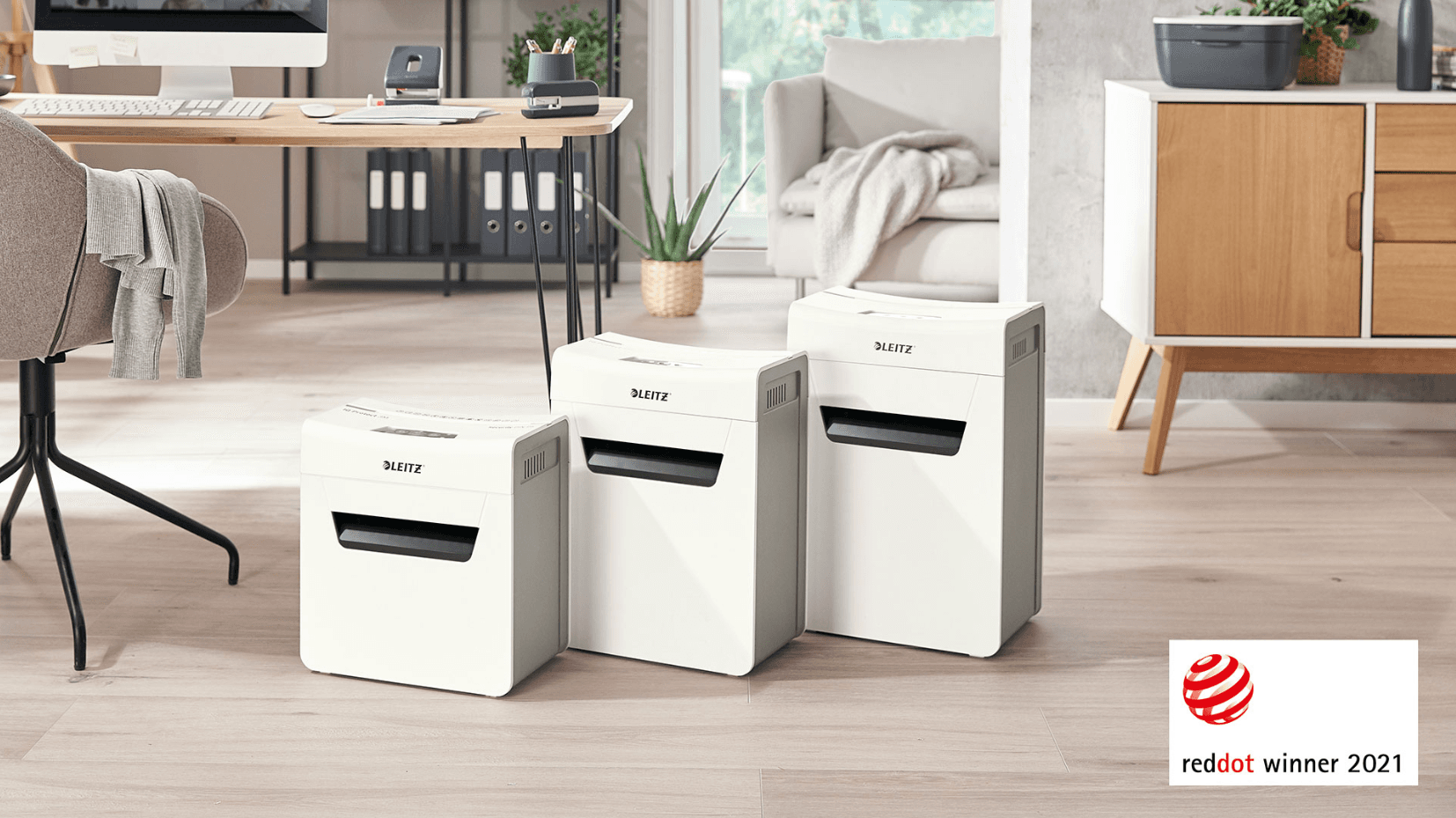
Premium aesthetic and value-added features for Leitz shredder range
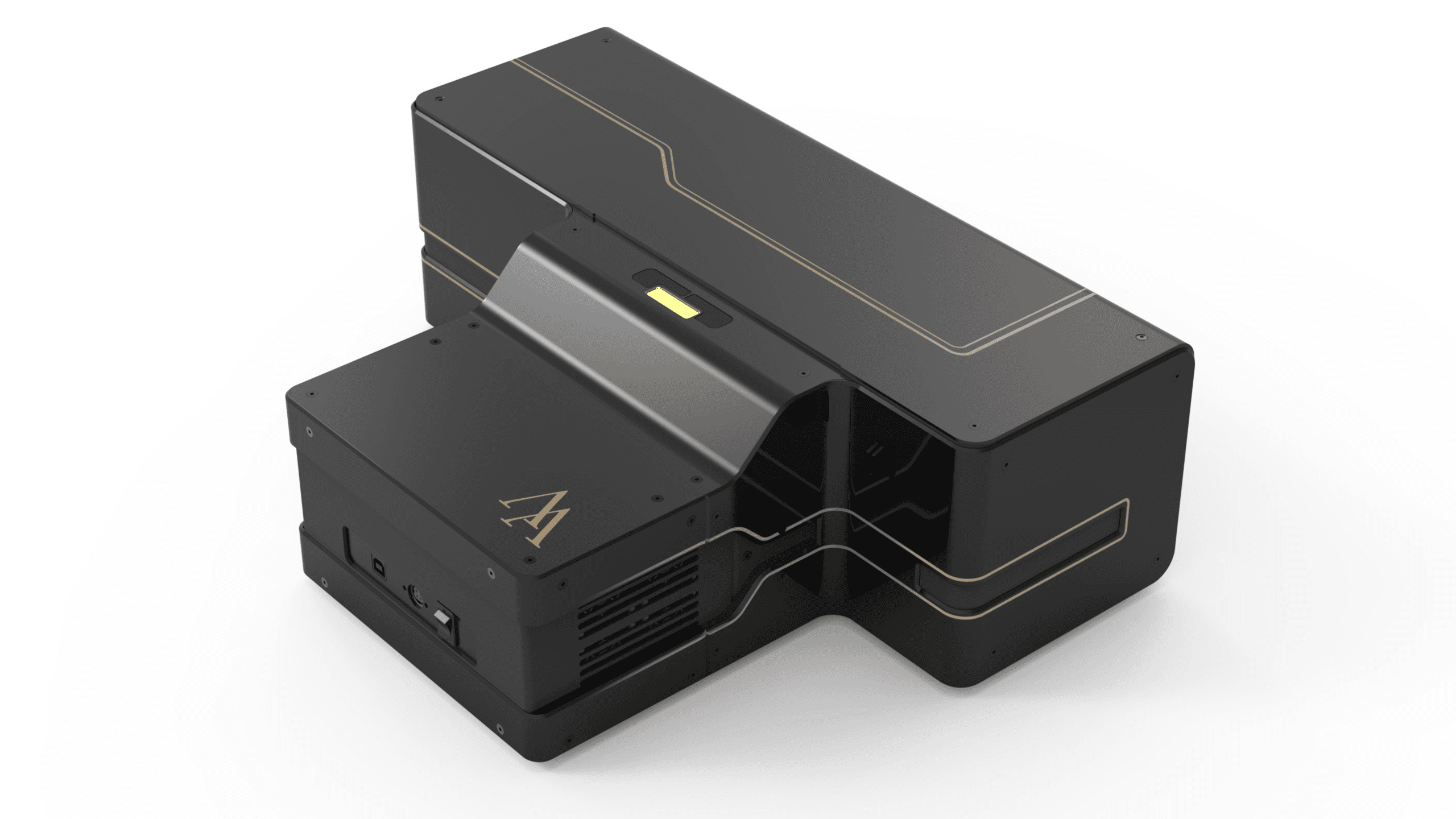
Understanding what is inside the bottle before breaking the seal
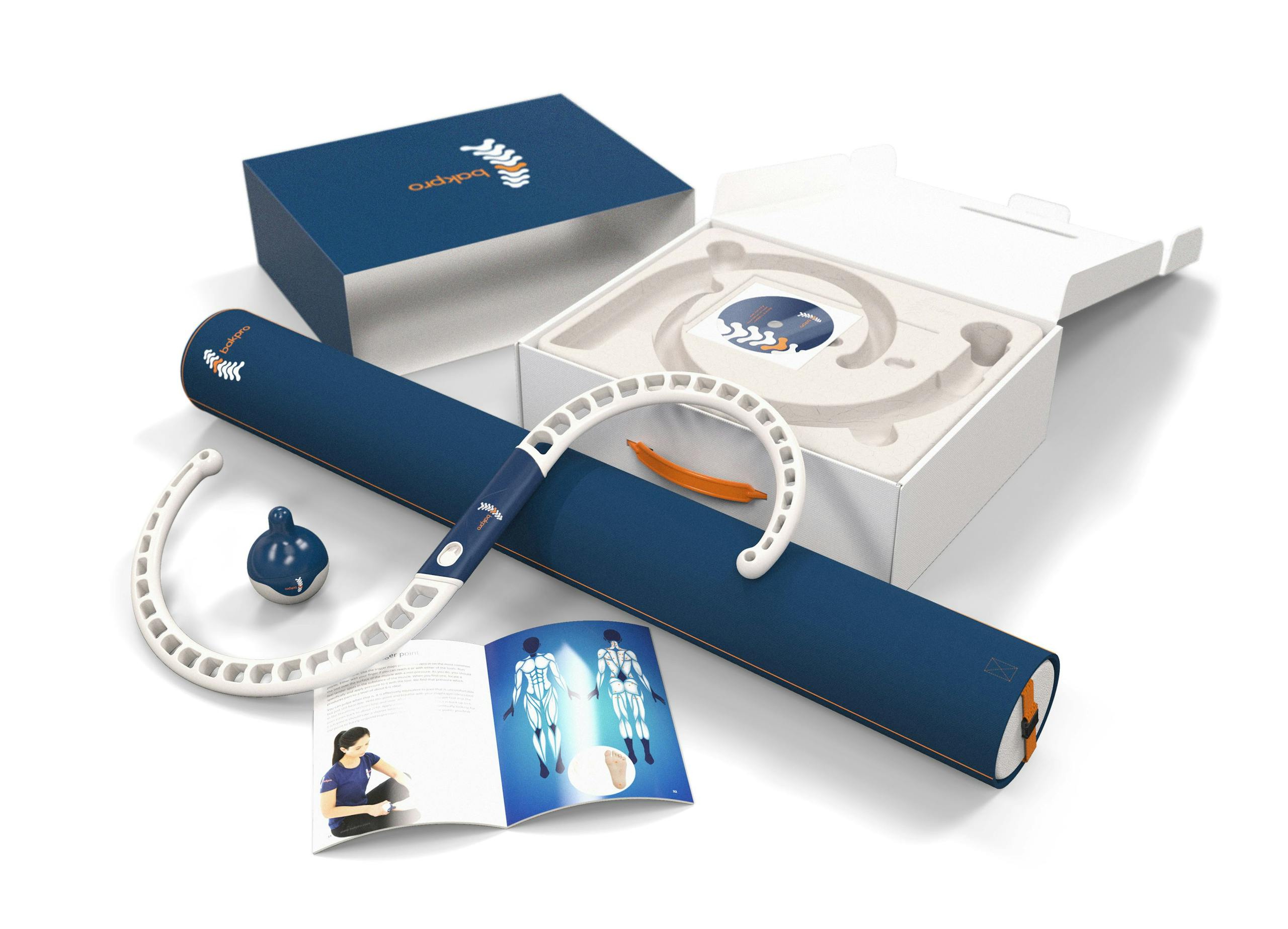
Releasing and relieving muscle tension and pain
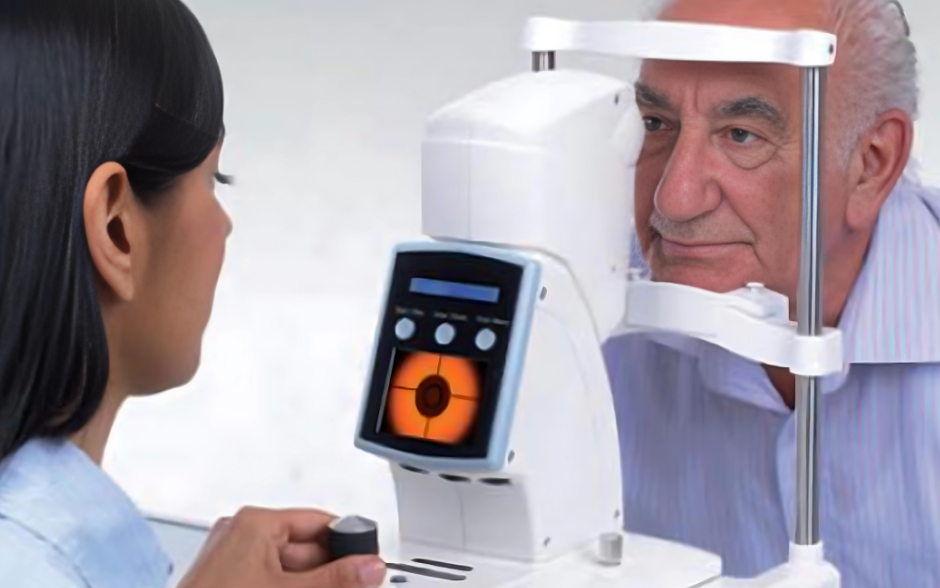
Ergonomic desktop eye care device
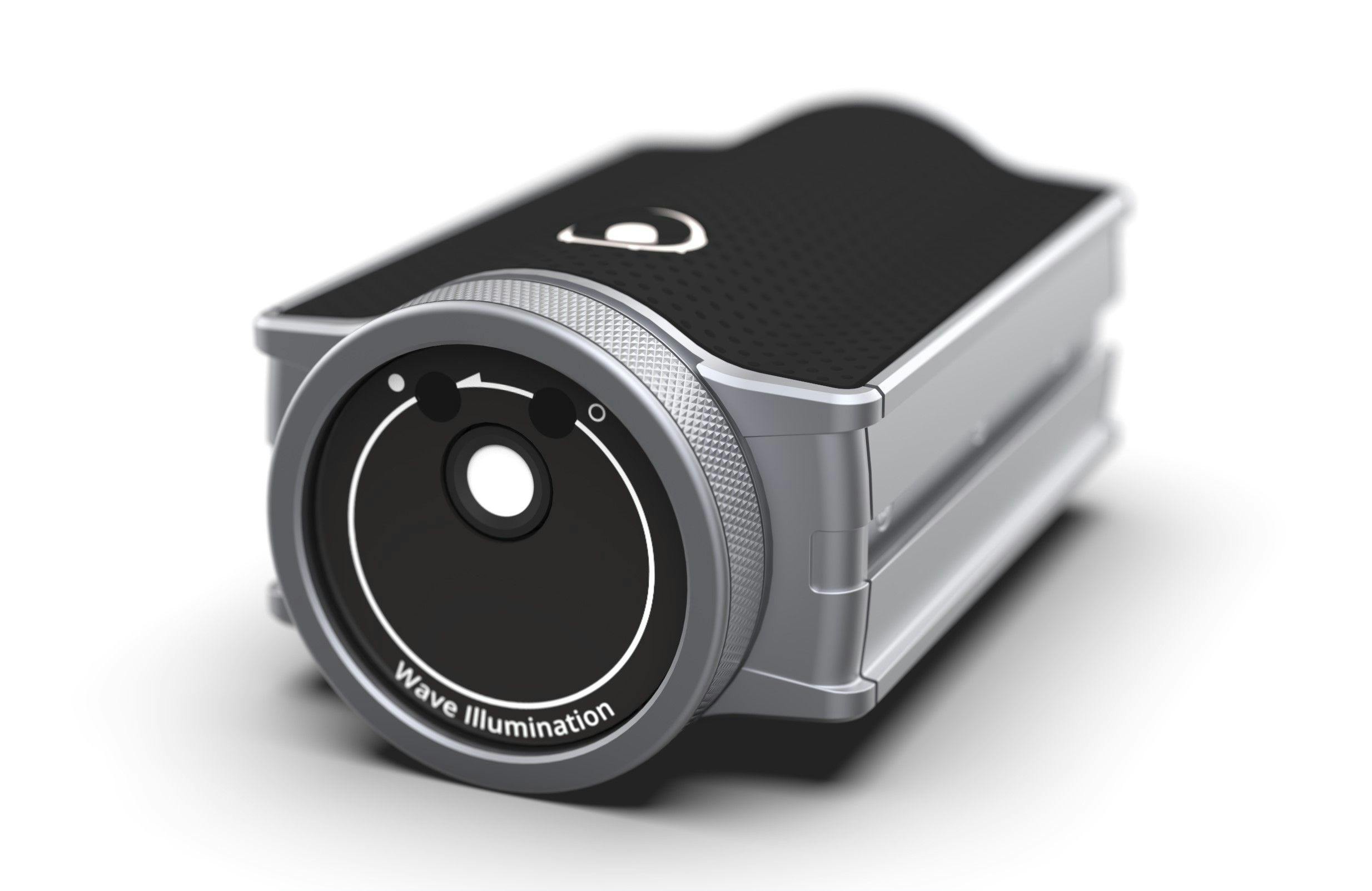
Optimising the light in your environment
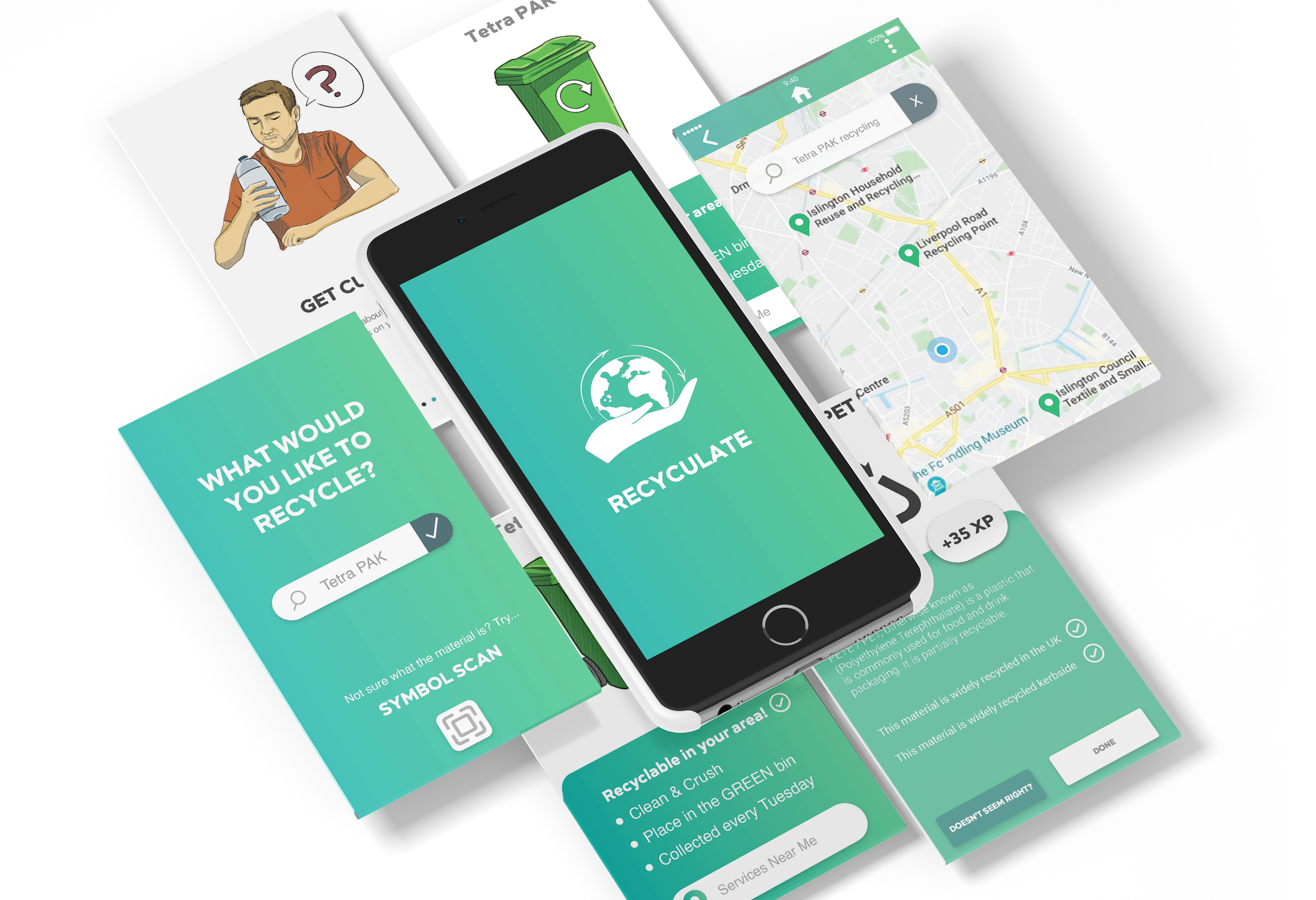
App design to improve the consumer recycling experience
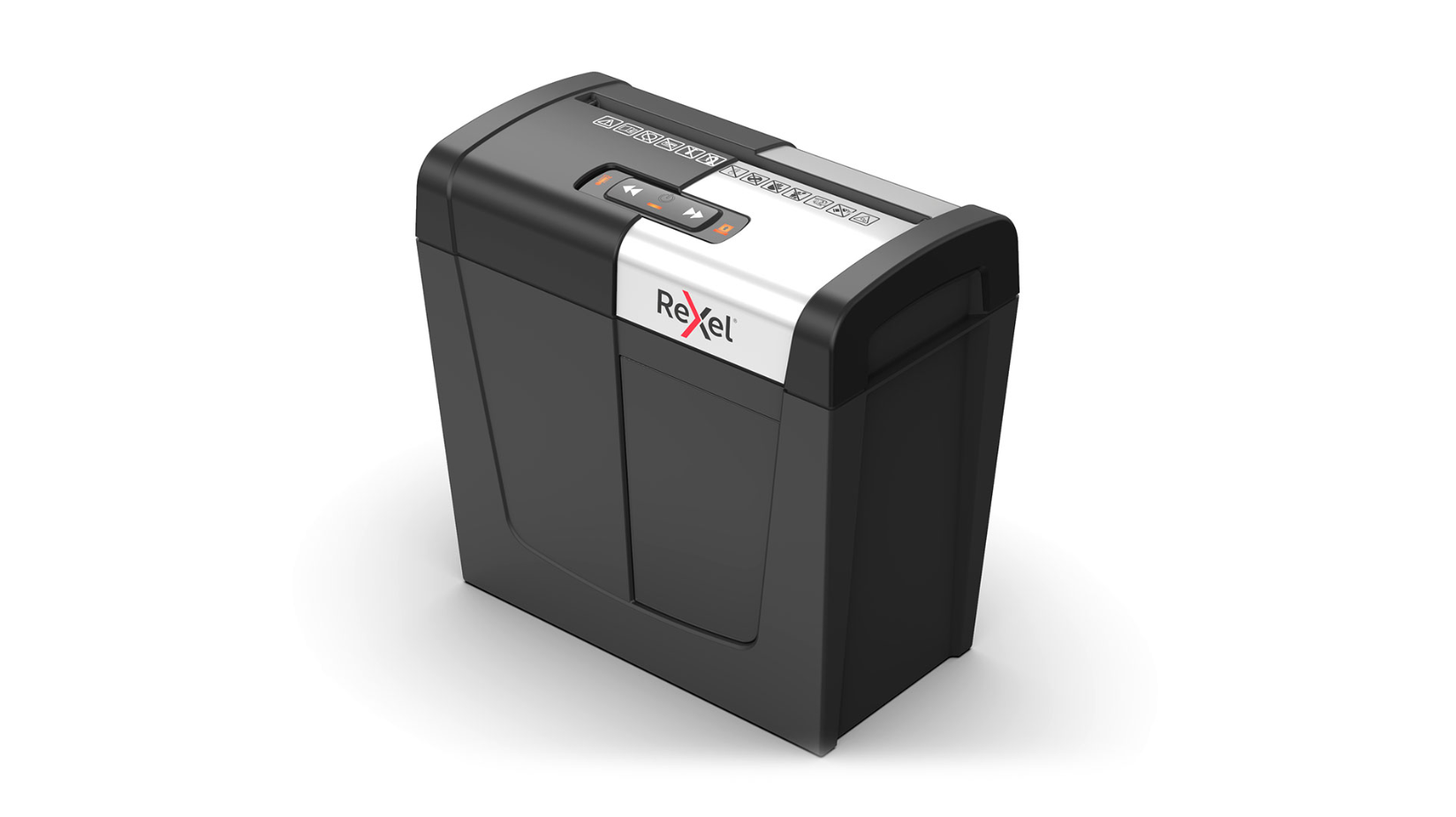
Creating a premium feel at an entry level price point
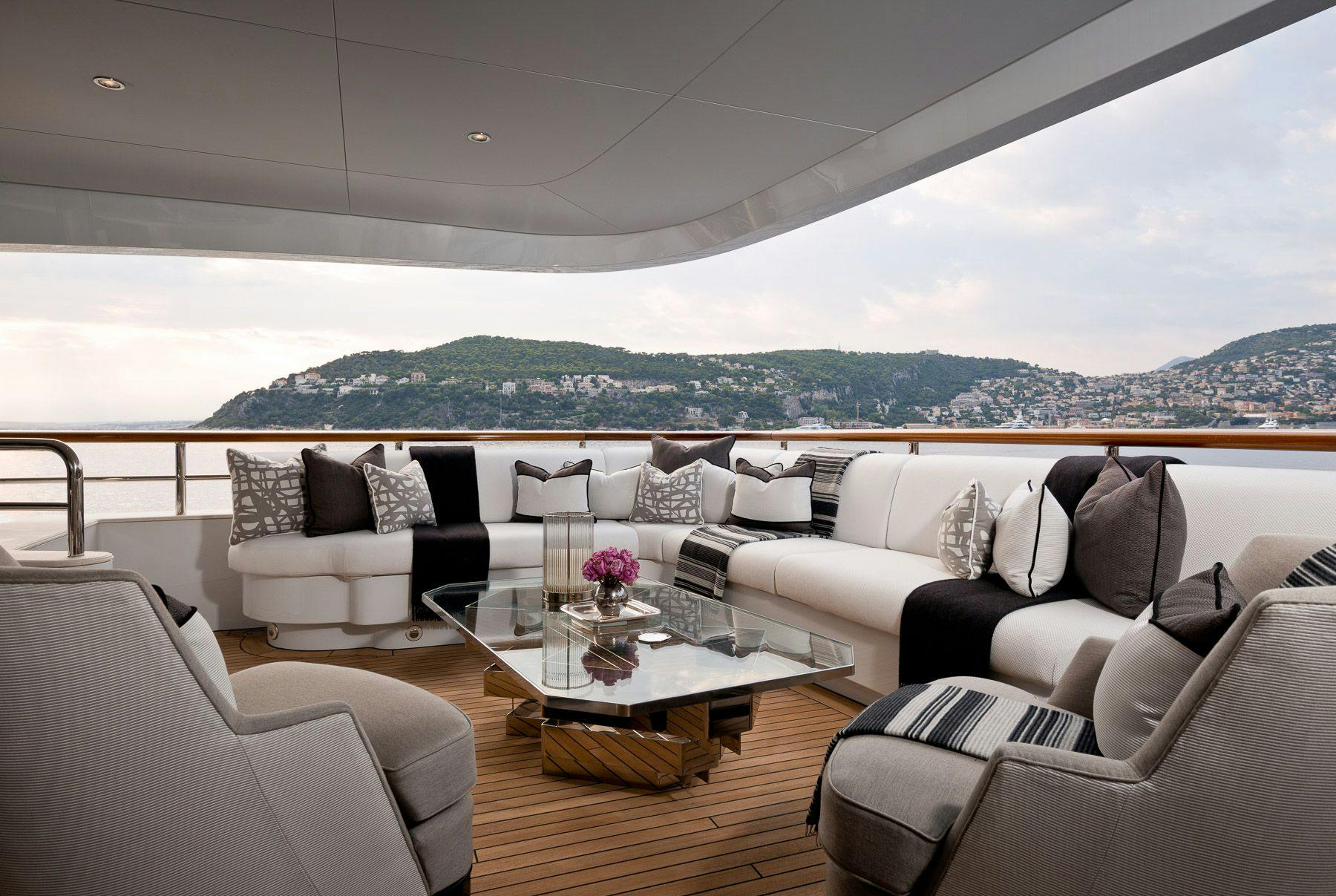
Specialist furniture for a super yacht
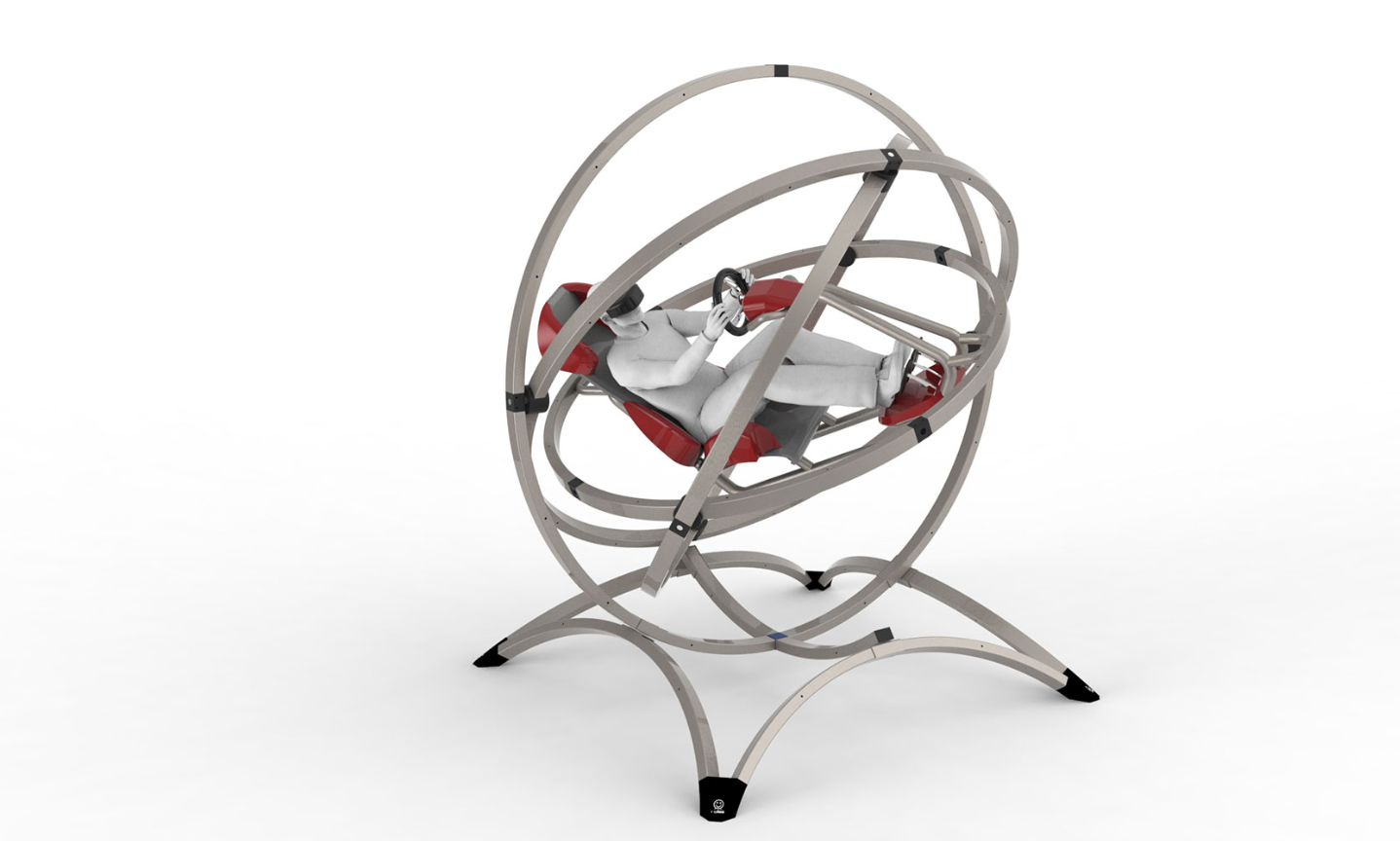
OPD collaborated with PlayBase to create a radical new range of highly modular, multi-use, leisure equipment that covers play, sports, relaxation and exercise.
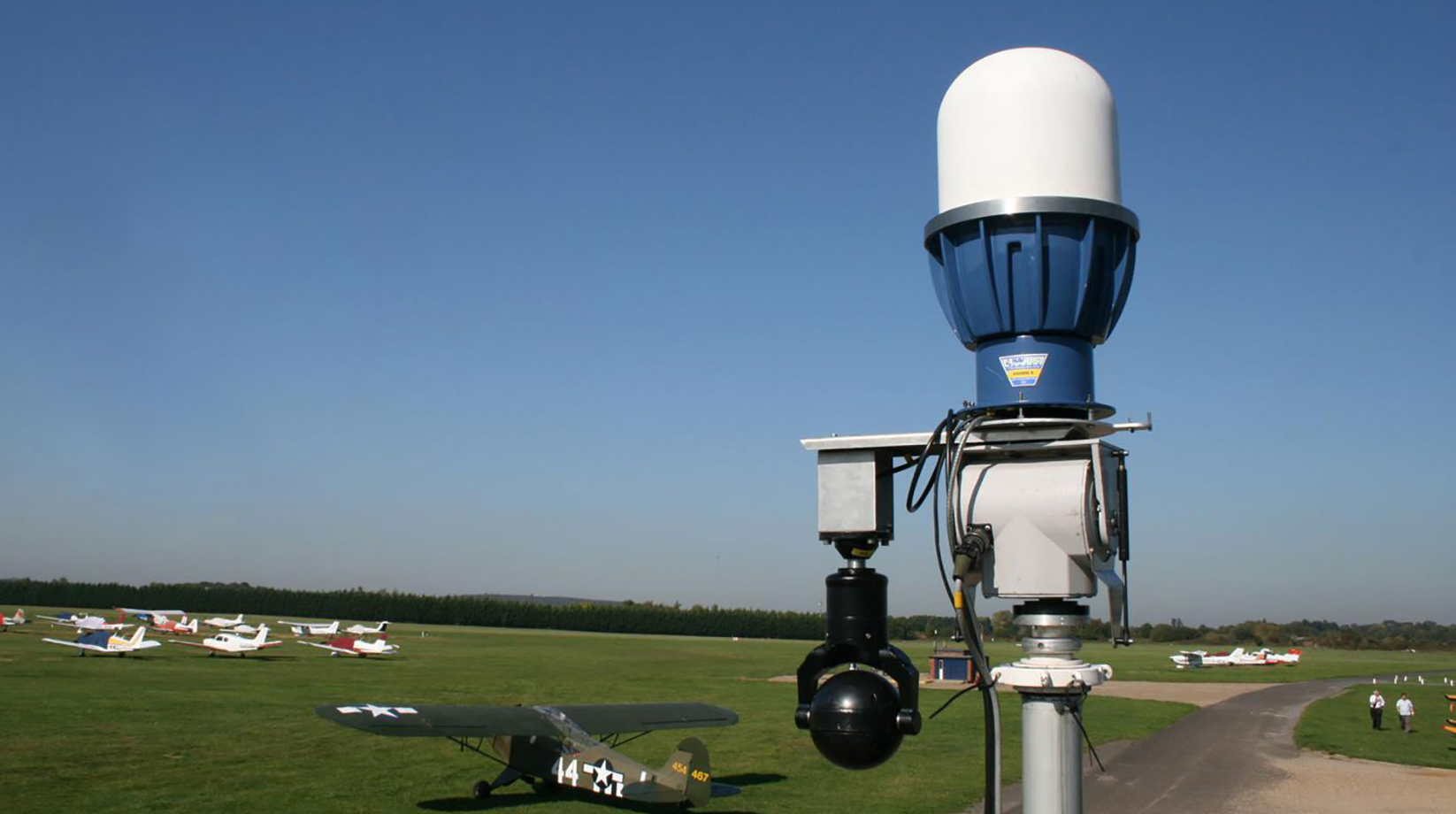
Improving the service life of a rotating radar
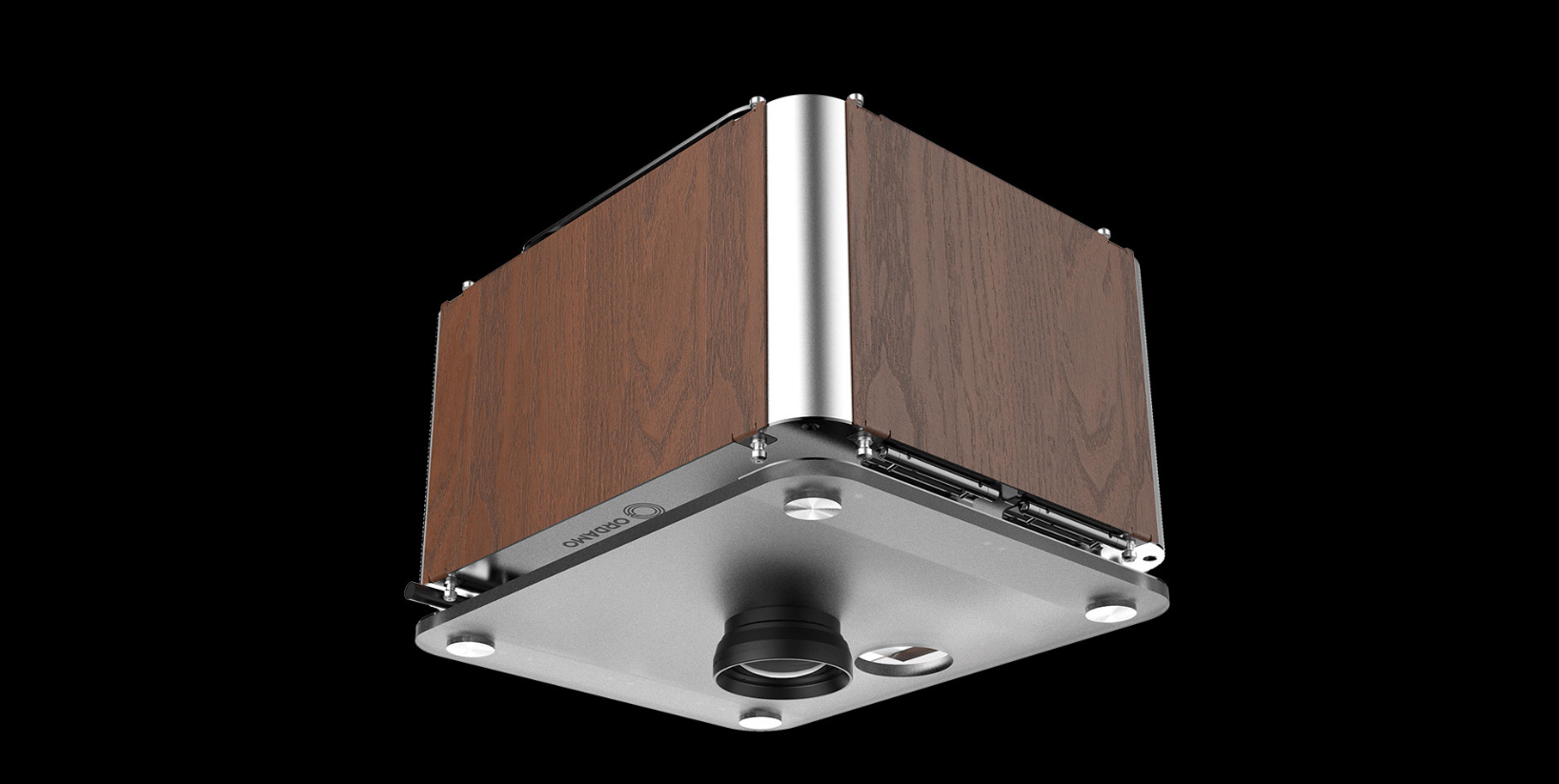
Developing bespoke projector units for interactive dining
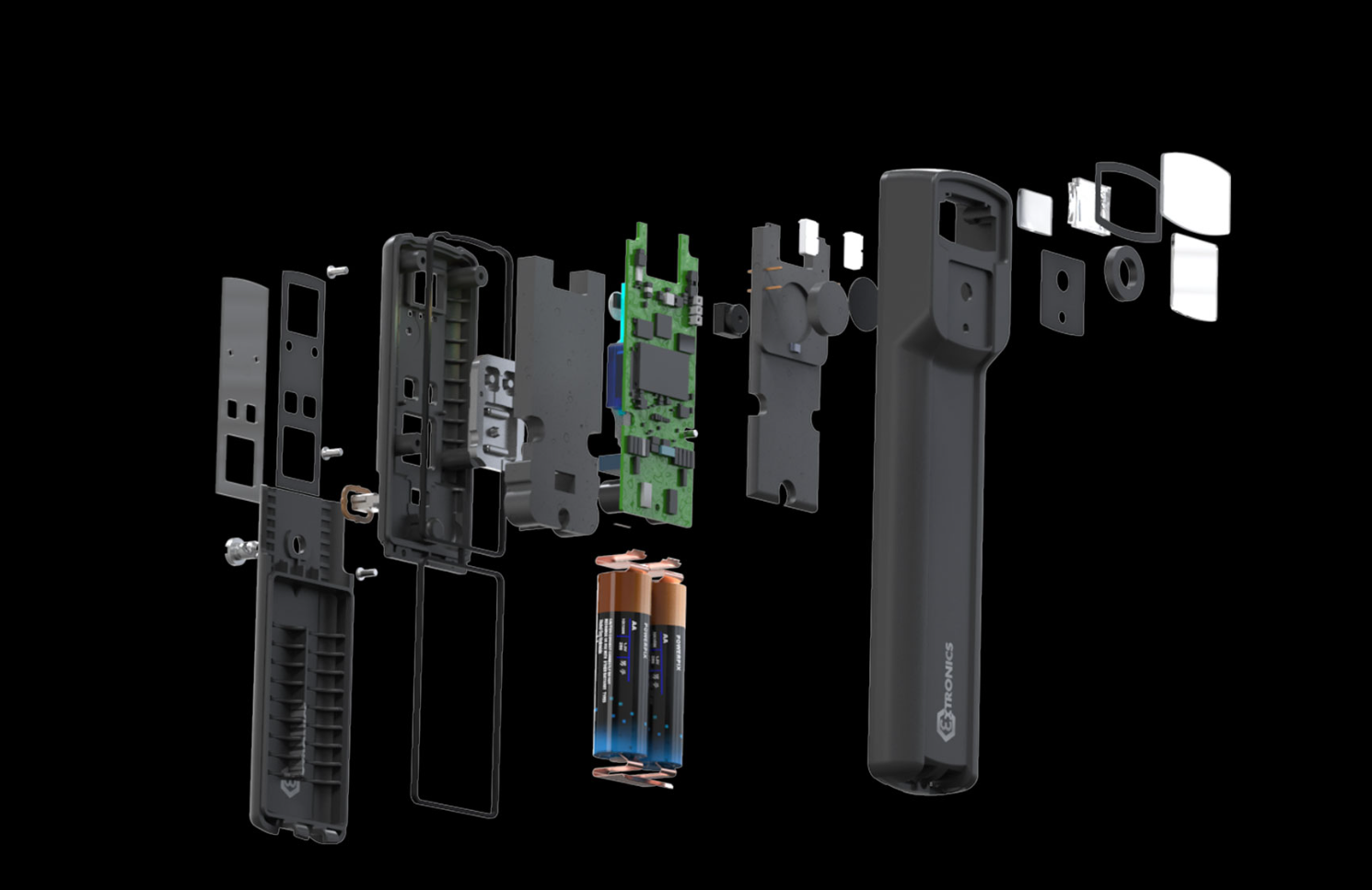
Intrinsically safe camera for use in extremely hazardous environments and explosive atmospheres
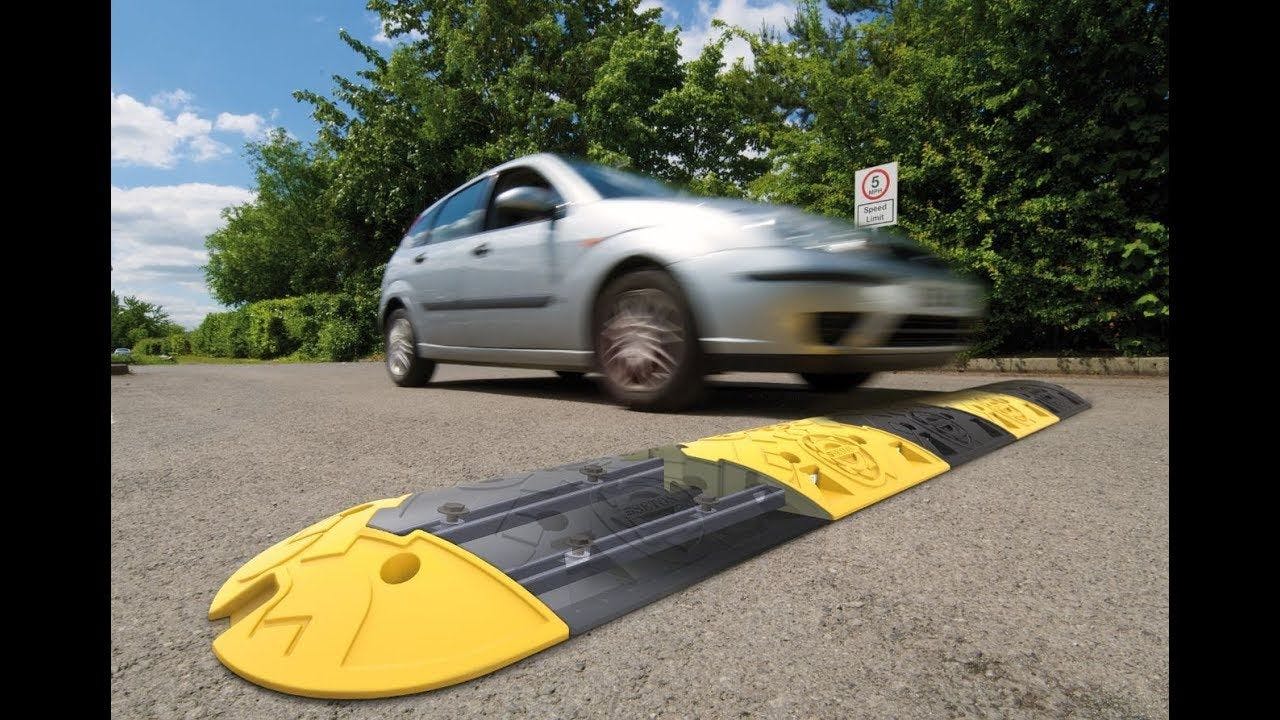
Development of an anchoring system to keep speedbumps in place
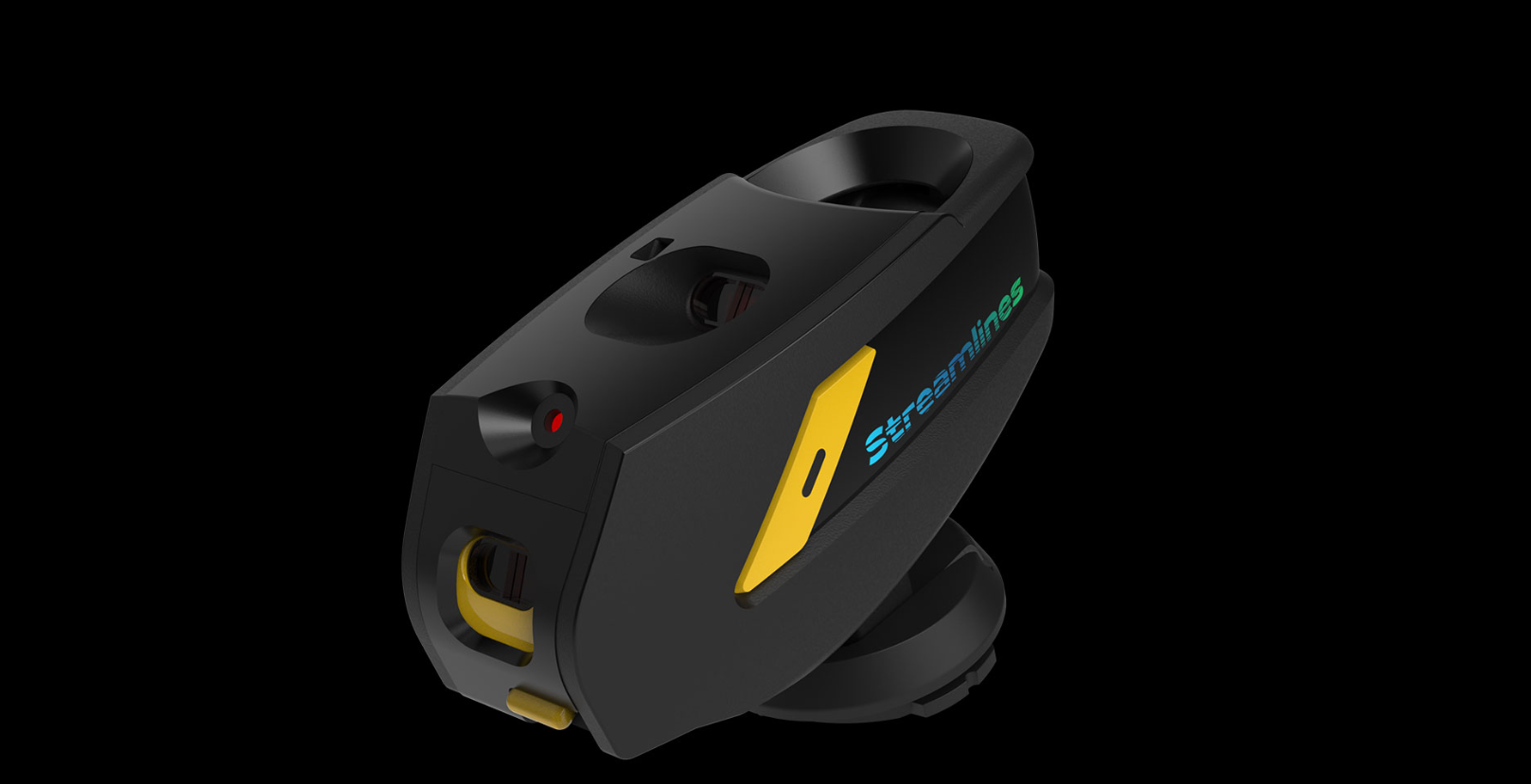
Industrial design and manufacturability support
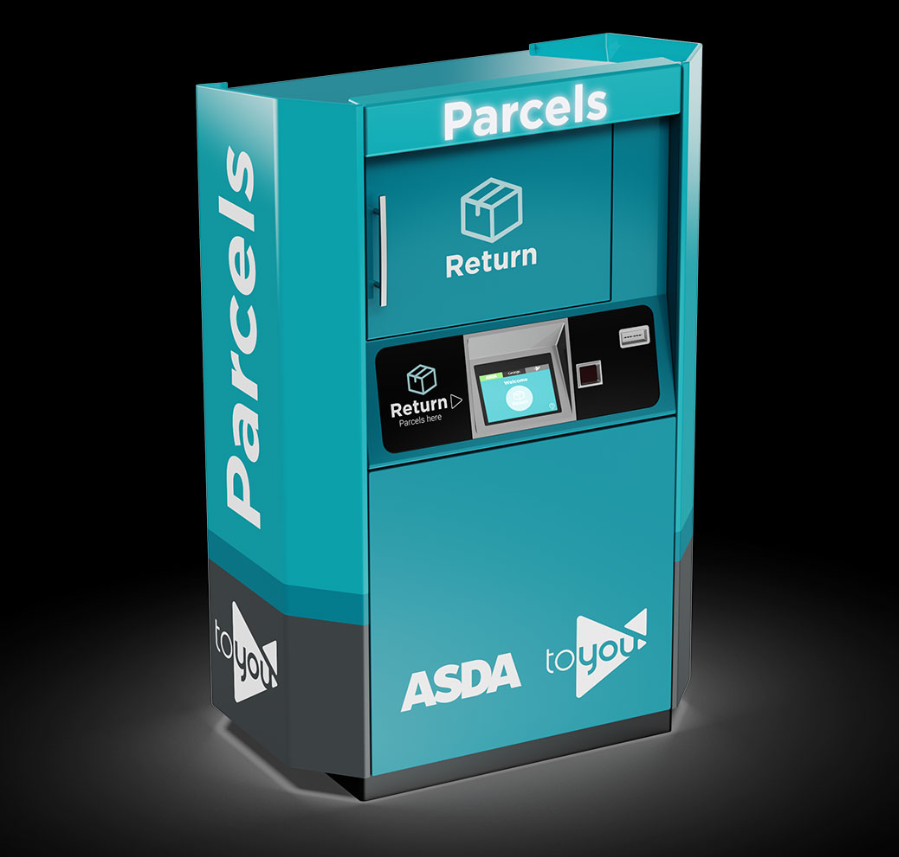
Fresh and contemporary concept ID

Developing working prototype hardware and technology demonstrators
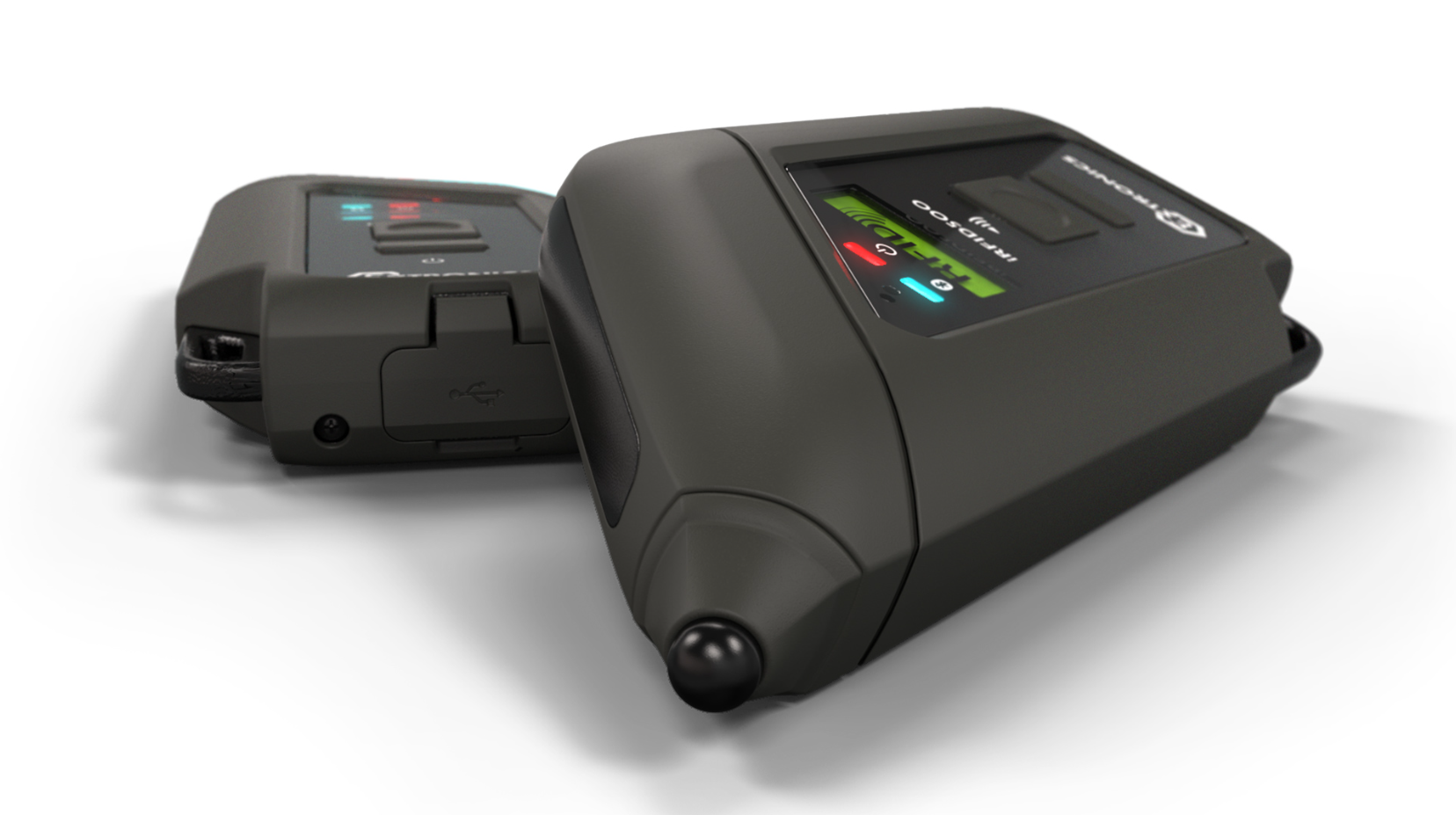
Integrated RFID reader, bluetooth, and a touchscreen stylus
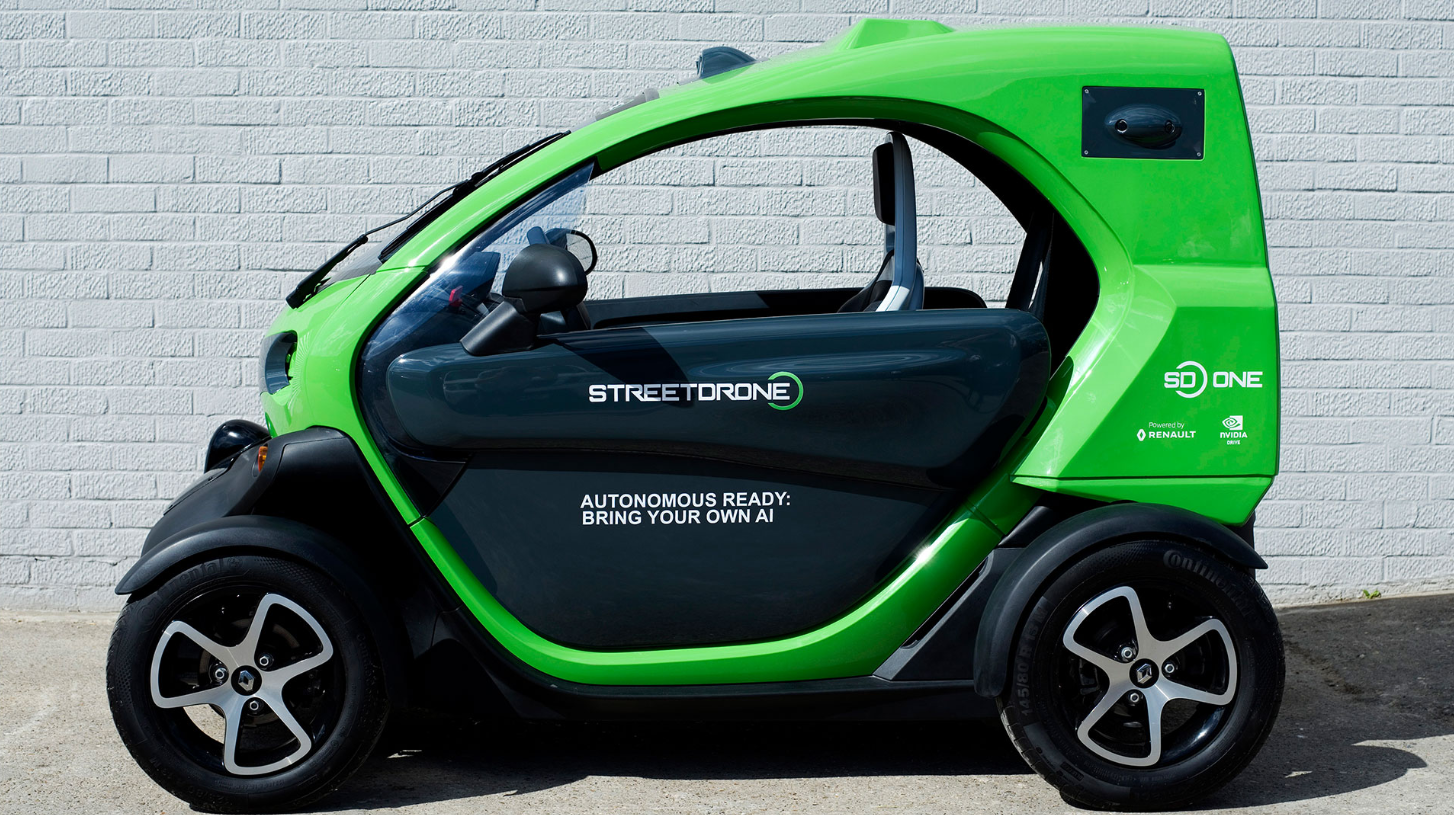
Panel redesign to mount sensors and house computers
Up next