Designing Fire Safety Products: Engineering for Safety-Critical Environments


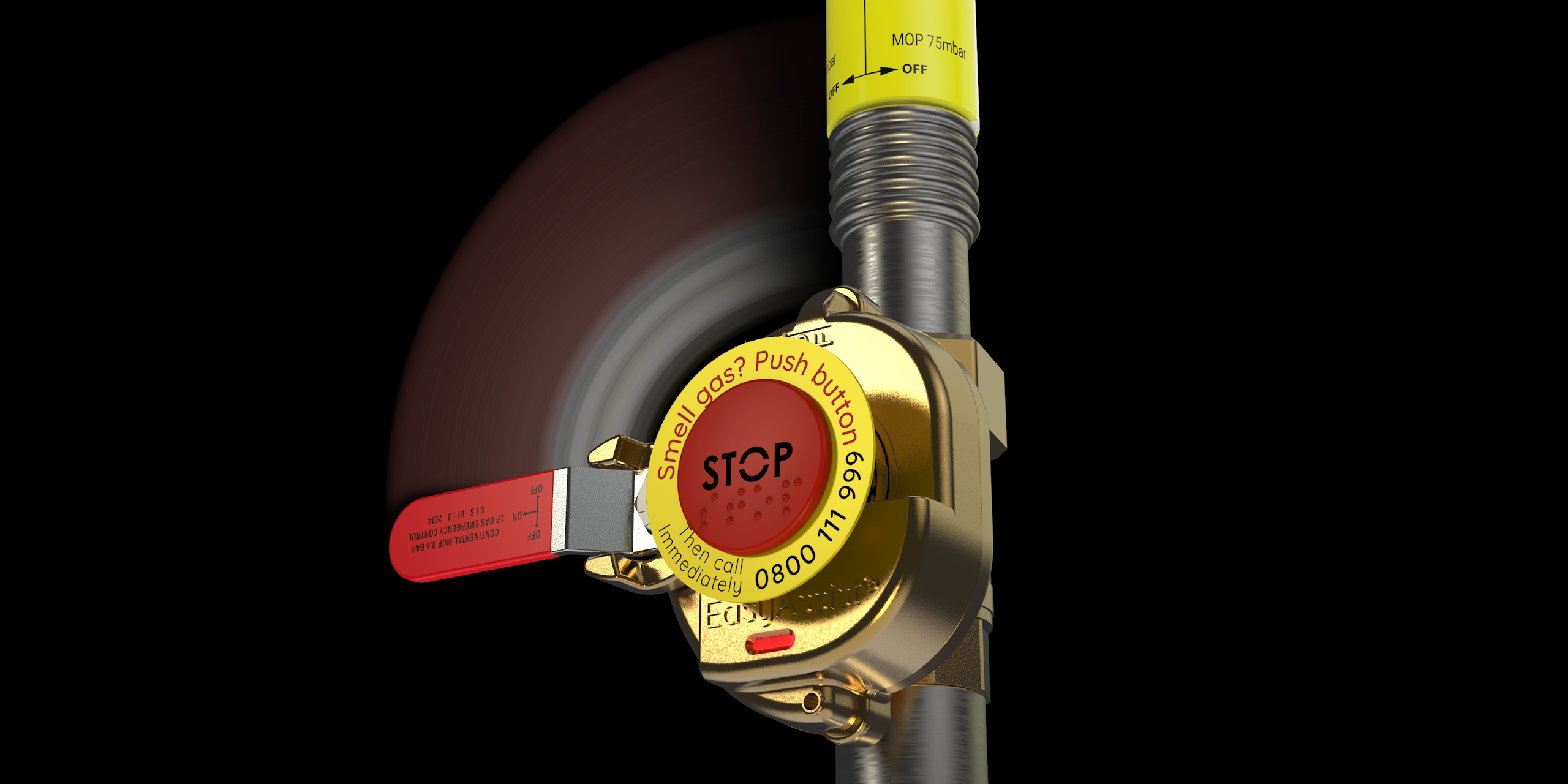
Designing fire safety products requires a fundamentally different mindset to most consumer or industrial design projects. From the outset, innovation must coexist with regulation, and the design must be robust for survival in the harshest of environments, where failure is simply not an option and that reality influences every decision from vision through to product realisation.
First and foremost, fire safety products are designed for worst case scenarios, not average use. They may sit dormant for long periods yet must function reliably the moment they are needed often in the most extreme of conditions involving smoke, heat, dust, vibration and poor visibility. With our knowledge of the industry and experience in designing for extreme environments, we understand what it takes to develop a design that can perform reliably at a safety-critical level and we have supported our clients to facilitate approvals testing required to achieve certification.
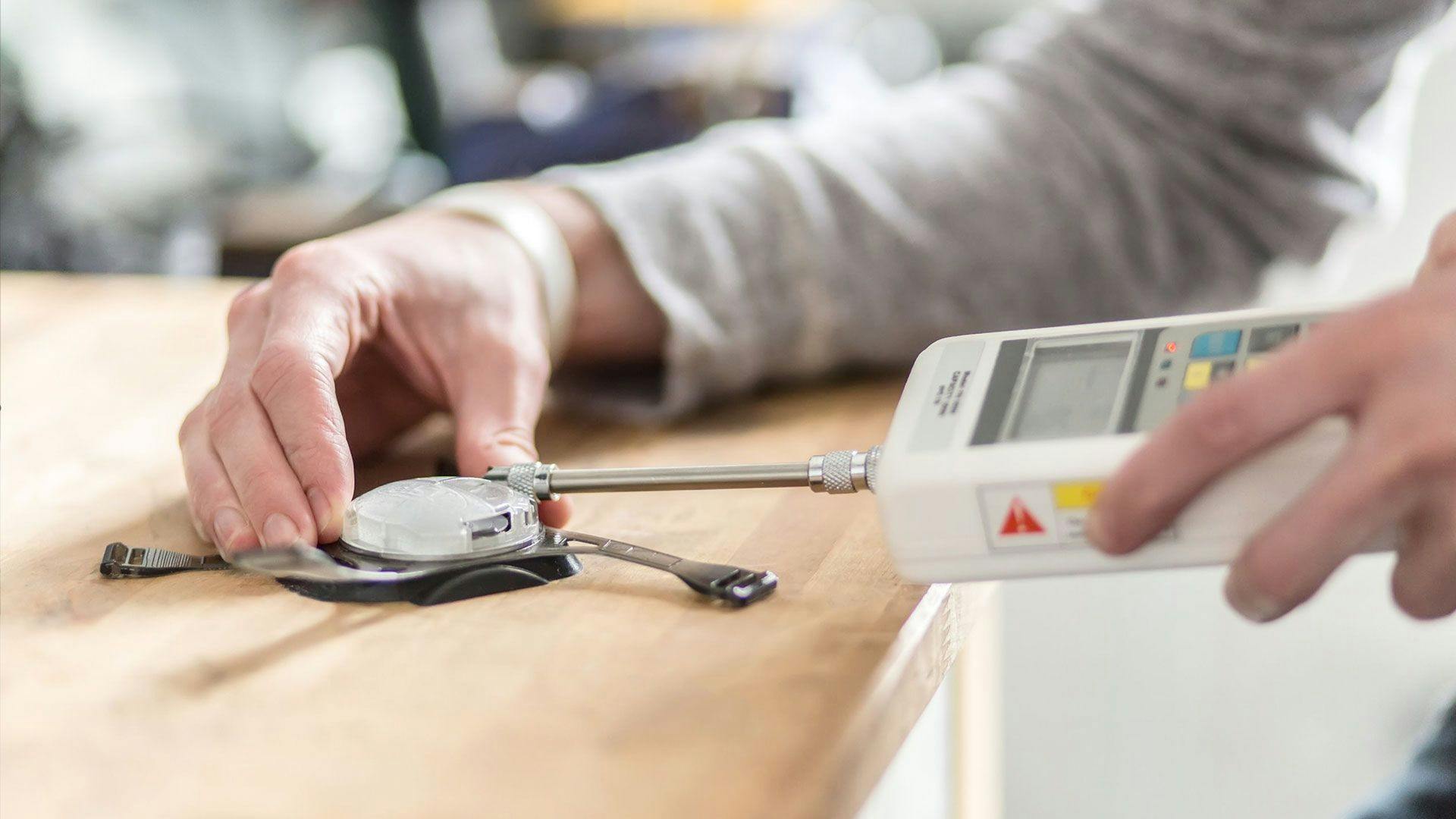
Secondly, regulation and certification are central design drivers from day one. Standards, testing, and approval routes actively shape architecture, materials, electronics, acoustics, even industrial design and vary between regions globally. This influences how requirements are captured, design decisions are justified, and evidence is generated long before formal testing begins. We understand and are able to work within these constraints but also have the ability to forge new ideas to develop designs that are both compliant and deliver enhanced performance to support real-world, dynamic environments.

Clear signalling, intuitive interactions, and consistent visual language are not just branding; they are safety critical design features. We have worked with clients to bring unity to their fire-safety range whilst not losing sight of the things that truly matter, with users at the heart of the design to ensure absolute clarity to those that depend on them.
A critical part of designing successful fire safety products is reducing technical risk with new innovations as early as possible and feasibility studies that we have carried out have played a vital role in validating ideas before committing to full development. Early exploration often combines user insight, regulatory context, and high level technical feasibility to answer one fundamental question: “What should the next generation of fire safety products actually deliver?”
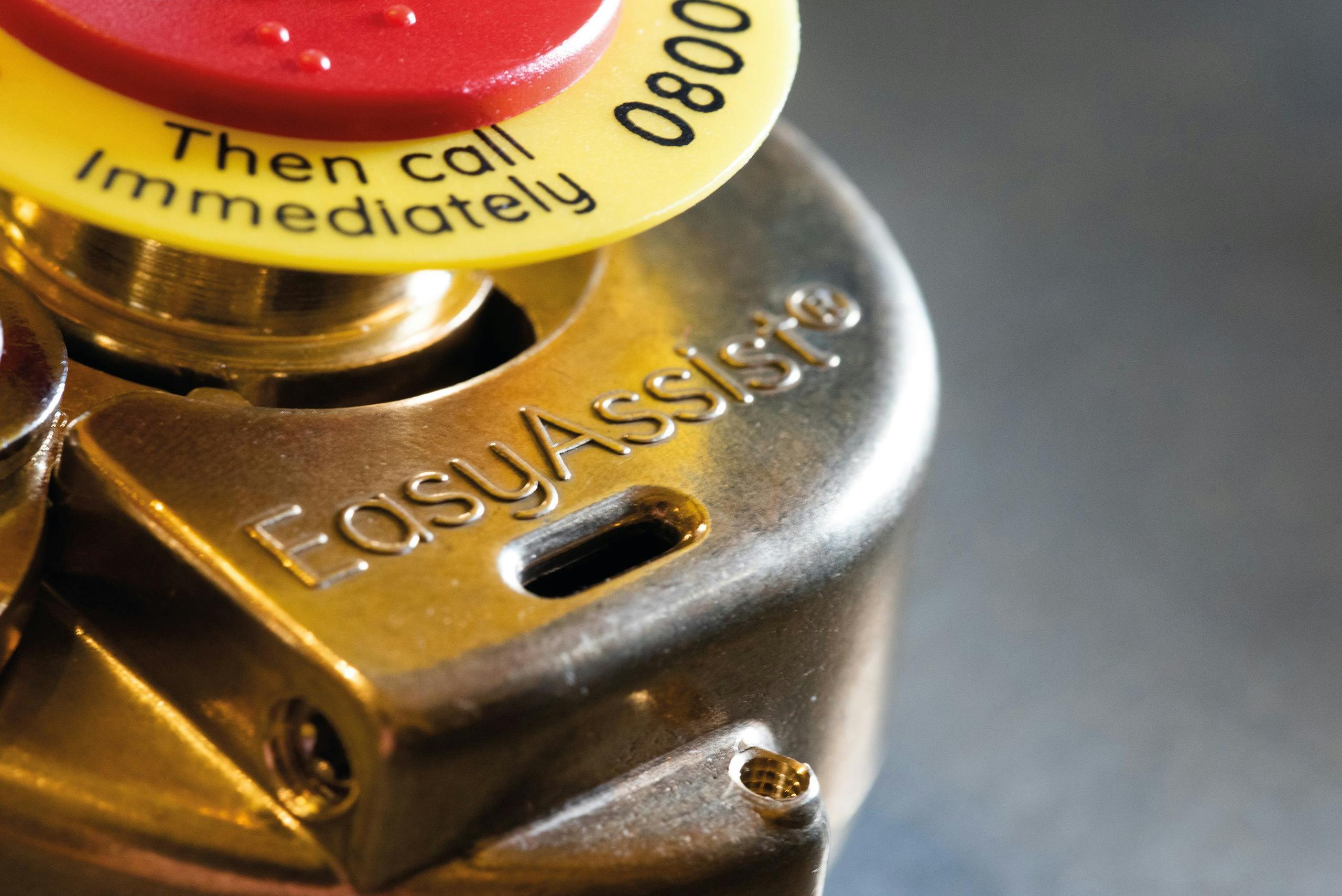
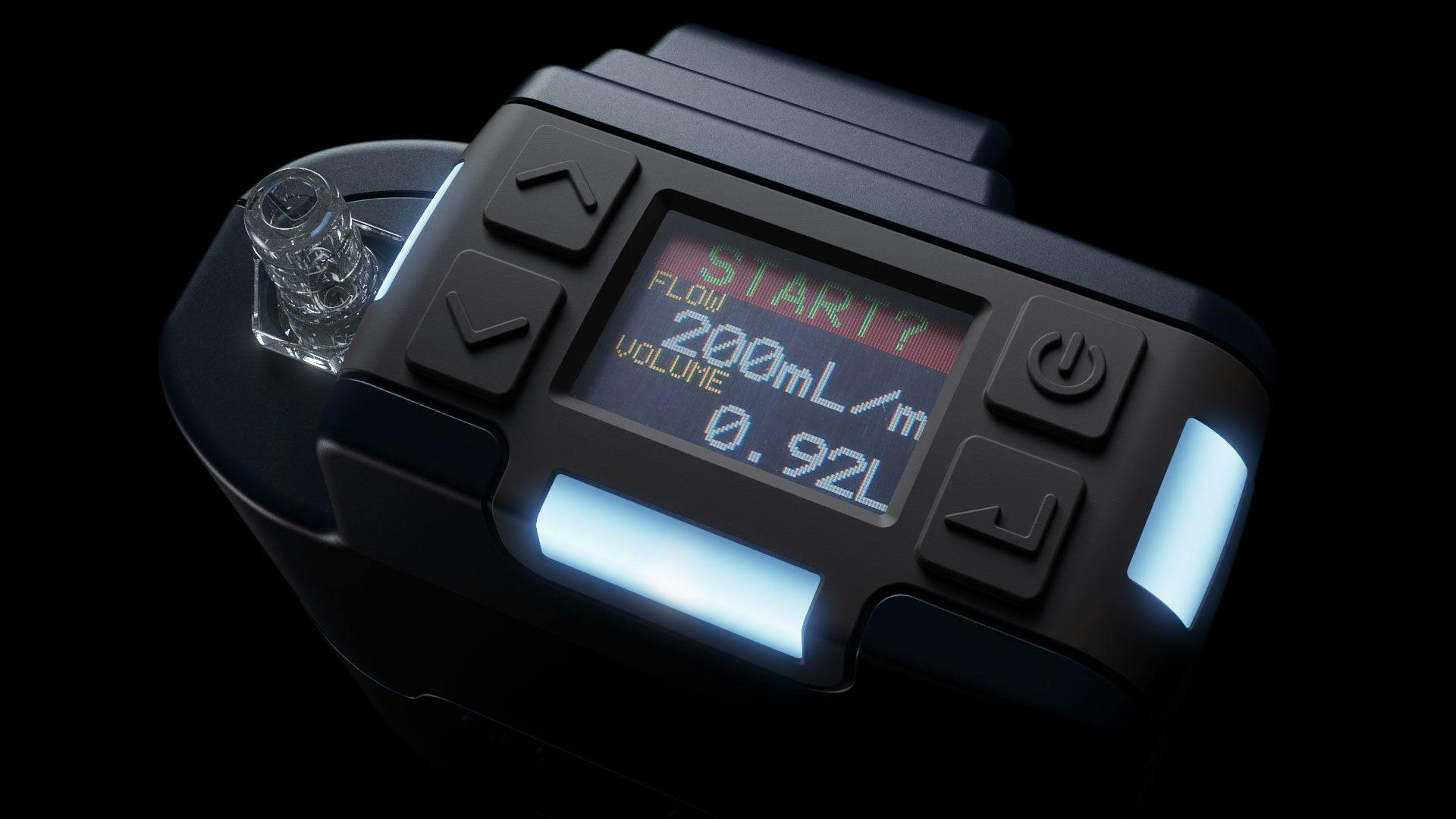
In response to new building regulations, temporary environments and advances in sensing and connectivity, fire safety products must continue to evolve in response to this changing landscape. However, fire safety products are rarely standalone and will likely have a system-level dependency and integration complexity. They operate as part of broader dynamic systems; wired or wireless, interacting with networks, infrastructure, installers, maintainers, and users under pressure. Designing sounders, detectors, beacons, or control devices therefore requires systems thinking; layout, architecture, and interfaces which must all work together seamlessly, but this also creates opportunities for smarter, more adaptable systems which we continue to develop with our clients.

Finally, these are products people trust without thinking about them, often installed out of sight but vital in protecting people and surrounding environments and this carries a huge responsibility. As designers and engineers, we are acutely aware that our decisions may one day influence how effectively people are alerted, guided, or protected in a critical moment. That awareness shapes our approach to detail, documentation, verification, and long term support in ways that go far beyond commercial considerations.
At OPD, working in fire safety means designing with purpose. It means understanding not just how a product works, but who relies on it, where it will be used, and why it must perform reliably over its lifetime. From early vision to delivery-ready hardware for certification, fire safety design is a journey that rewards rigour, collaboration, and thoughtful engineering and it is how we help our clients turn bold ideas into dependable, life saving products.